My mother, Pauline, always believed that a kitchen was the heart of the home, and her thumbprint cookies were the pulse. She made wonderful batches of these little treats, yet she never quite got around to writing down the exact proportions. Finding a recipe from a baker named Mitzi felt like a gift from above, especially since my own last name is Mitzewich; it felt like coming home to a family tradition that was almost lost to time.

These cookies provide the perfect balance between a rich, buttery base and a sweet, vibrant fruit center. By using a solid dough foundation, you can choose between a taller, shortbread-style cookie or a flatter, jam-heavy version. This recipe makes about 20 cookies and takes less than an hour, making it an ideal choice for a quiet Sunday afternoon of baking.
A Timeless Family Treasure
You will love this recipe because it prioritizes the texture of the dough above all else. Many thumbprint cookies can be dry or crumbly, but this version uses a specific ratio of butter and powdered sugar to create a melt-in-your-mouth experience. It is a reliable foundation that honors the old-school methods of our grandmothers while remaining simple enough for any home baker to master.
The addition of both vanilla and almond extracts gives the dough a depth of flavor that sets it apart from basic sugar cookies. It is a wonderful way to showcase high-quality jams and preserves. Whether you are baking for a holiday platter or just to fill the cookie jar, these treats offer a comforting, classic bite every single time.
Print
Thumbprint Cookies
- Total Time: 40 mins
- Yield: 20 cookies
- Diet: Vegetarian
Description
Enjoy the nostalgic flavor of these buttery thumbprint cookies, featuring a delicate shortbread base and a vibrant fruit jam center. Finished with a sweet icing drizzle, these treats provide a perfect balance of rich texture and fruity brightness for any occasion.
Ingredients
- 1/2 cup unsalted butter, softened
- 1/3 cup powdered sugar
- 1 large egg yolk
- 1/2 teaspoon vanilla extract
- 1/4 teaspoon almond extract
- 1 pinch fine salt
- 1 1/4 cups all-purpose flour
- 2 tablespoons white granulated sugar (for rolling)
- 1/4 cup fruit jam (raspberry, apricot, or strawberry)
- 1 cup powdered sugar (for icing)
- 1 tablespoon milk
Instructions
- Preheat your oven to 325°F (165°C) and line a large baking sheet with parchment paper or a silicone mat.
- In a large bowl, cream together the room-temperature butter and 1/3 cup of powdered sugar with a rubber spatula until smooth and creamy.
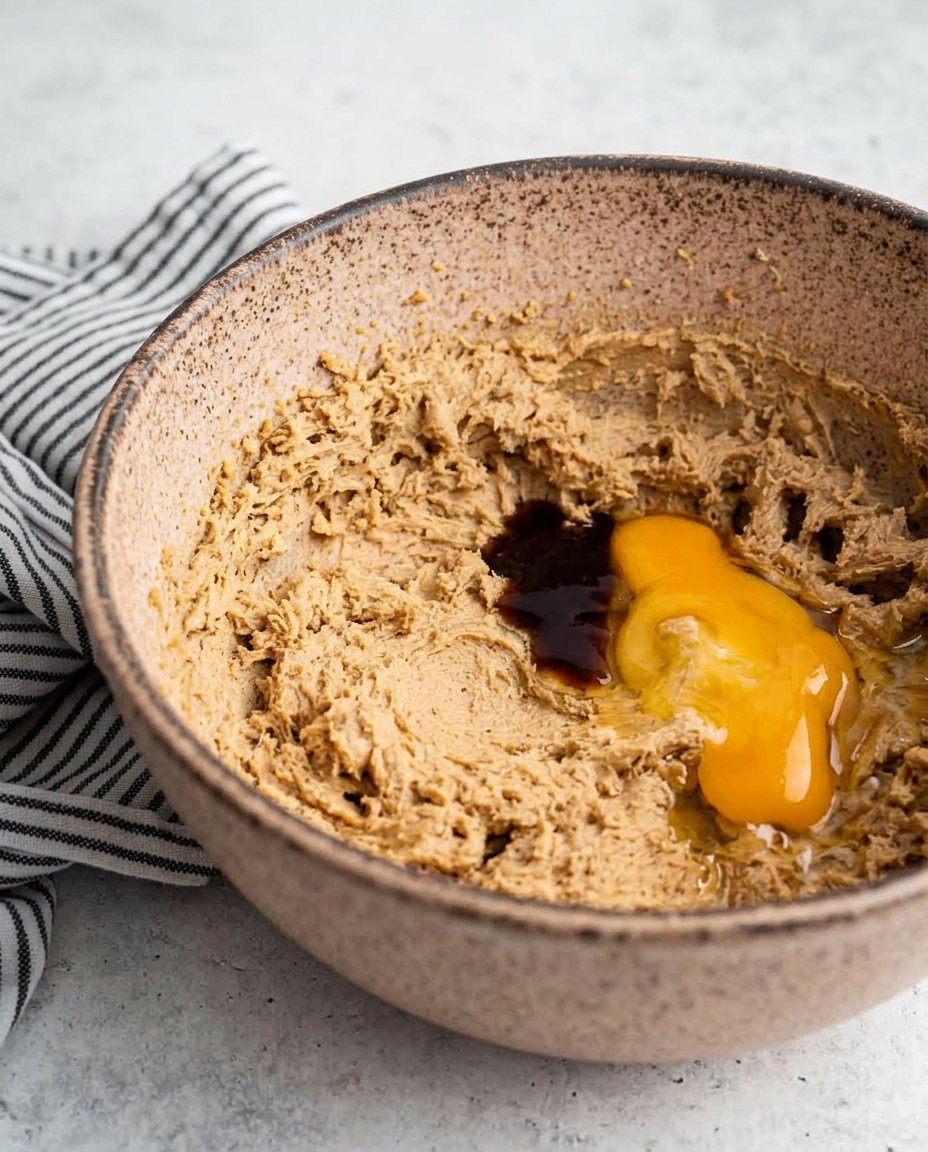
- Add the egg yolk, vanilla extract, almond extract, and fine salt to the butter mixture and mix until fully incorporated.
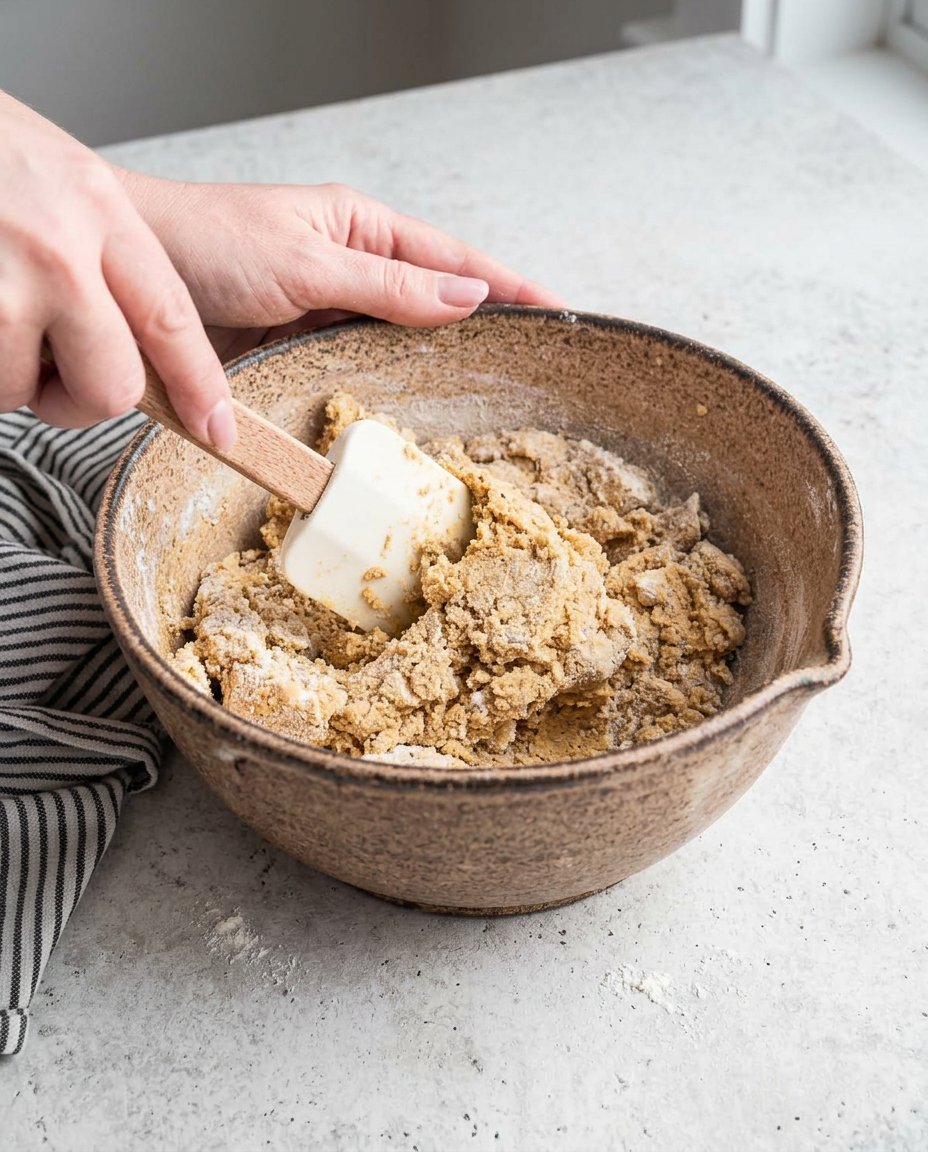
- Gradually stir in the all-purpose flour until just combined and no white streaks remain.
- Portion the dough into 1/2-ounce balls and roll each one in granulated sugar to coat thoroughly.
- Place the balls on the prepared baking sheet, flatten slightly, and use your thumb or a wooden spoon to create a well in the center of each.
- Spoon fruit jam into each well and bake for approximately 15 minutes or until the edges are a very light golden brown.
- Allow the cookies to cool on the sheet for 5 minutes before transferring to a wire rack to cool completely, then drizzle with a mixture of powdered sugar and milk.
Notes
For the best texture, ensure your butter is softened to room temperature but still holds its shape; if the dough feels too warm, let it rest for a few minutes before rolling. Using high-quality preserves with real fruit pieces will enhance the flavor and provide a beautiful contrast to the buttery dough. Always measure your flour using the spoon-and-level method to keep the cookies light and tender rather than dry.
- Prep Time: 25 mins
- Cook Time: 15 mins
- Category: Dessert
- Method: Baking
- Cuisine: American
Quality Ingredients for a Perfect Base
Starting with the right components is the secret to a cookie that tastes as good as it looks. I always recommend using the best butter you can find, as it is the primary flavor driver in this dough.
- Unsalted Butter: Make sure it is at room temperature (around 65°F or 18°C) so it creams properly with the sugar.
- Powdered Sugar: Using unsifted powdered sugar in the dough creates a tender, fine crumb that traditional granulated sugar cannot match.
- Egg Yolk: A single large egg yolk adds richness and helps the dough hold its shape without becoming tough.
- Extracts: A combination of pure vanilla and a touch of almond extract provides that classic bakery aroma.
- All-Purpose Flour: This provides the structure. Measure it carefully using the spoon-and-level method to keep the cookies light.
- Fruit Jam: You can use raspberry, apricot, or even strawberry. High-quality preserves with real fruit pieces work best.
- White Sugar: This is used for rolling the dough balls, giving the exterior a lovely sparkle and a slight crunch.
The Classic Method
Step 1: Prep and Cream
Gather all your ingredients and preheat your oven to 325 degrees F (165 degrees C). Line a large baking sheet with a silicone mat or parchment paper. In a large bowl, use a rubber spatula to cream together the room-temperature butter and the 1/3 cup of powdered sugar until the mixture is smooth and creamy. This manual mixing allows you to feel the texture of the dough as it develops.
Step 2: Incorporate Aromatics
Add the egg yolk, vanilla extract, fine salt, and almond extract to the butter mixture. Mix well until everything is fully combined and the color is uniform. The almond extract is quite strong, so a little goes a long way in creating that nostalgic flavor profile.
Step 3: Mix the Dough
Slowly blend in the all-purpose flour. Stir until the flour is just combined and no white streaks remain. Do not overmix here; you want to maintain a tender crumb. The dough should be soft but easy to handle.
Step 4: Portion and Roll
Use a small sorbet scoop or a tablespoon to portion the dough into 1/2-ounce balls. Roll each ball in a small plate of white granulated sugar to coat it thoroughly. Then, roll the ball again between your palms to press the sugar into the dough. This double-rolling technique makes the finish much more even.
Step 5: Create the Wells
Place the balls several inches apart on your prepared baking sheet and flatten them slightly with your fingers. For rounder cookies, use the end of a wooden spoon dusted with powdered sugar to poke a deep well. For flatter, jammier cookies, use your thumb to press a wider, shallower indentation into the center.
Step 6: Fill and Bake
Spoon your chosen fruit jam into the wells. Tap the baking sheet firmly against the counter once or twice to help the jam settle and remove any air pockets. Bake in the preheated oven for about 15 minutes, or until the edges are just a very light golden brown. Let them rest on the sheet for 5 minutes before moving them to a wire rack to cool completely.
Step 7: The Final Flourish
Once the cookies are cool, you can dust them with a little extra powdered sugar. For the icing, whisk together a cup of powdered sugar with a tablespoon of milk until it reaches a thick, pipeable consistency. Drizzle it in a zigzag pattern over the cookies and let it set for about 15 minutes before serving.
Dough Wisdom for Perfect Centers
One of the most important things to remember is that this specific dough should not be chilled before baking. Chilling can change the way the fat interacts with the flour, and for this recipe, room-temperature dough provides the best spread and texture. If you find your kitchen is very warm, work quickly to keep the butter from getting too soft.
When making the indentations, if the dough starts to stick to your thumb or the spoon, a little dip in powdered sugar will fix the problem immediately. This keeps the edges of the well clean and prevents the dough from tearing. For those who love a variety of textures in their holiday baking, these techniques are very similar to what I use for my scottish shortbread, where the butter quality is the star of the show.
Build On This Base
Once you have mastered this foundational dough, you can start to get creative with your fillings. While jam is the traditional choice, a thick lemon curd or even a dollop of chocolate hazelnut spread can create a completely different experience. You can also swap the white sugar coating for finely chopped nuts like pecans or walnuts for a bit of extra crunch.
If you want to try a version with a bit more salt and texture, you might consider how the dough handles different inclusions. For a different take on the filled-cookie concept, you should look at my pecan snowballs which also use a powdered sugar base but offer a very different final mouthfeel. You can even add a bit of citrus zest to the dough itself to brighten up the buttery flavor.
Classic Enjoyment
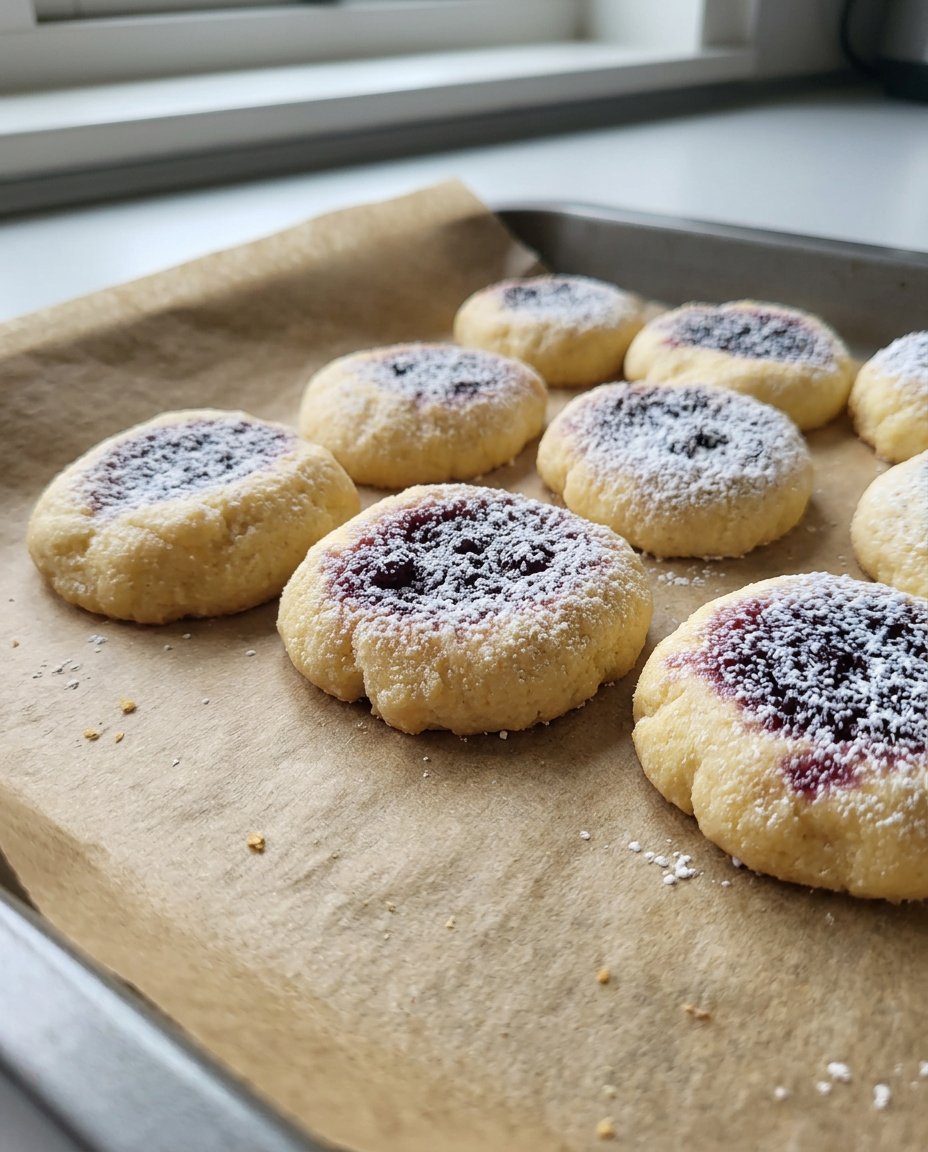
There is nothing quite like a fresh cookie and a cold glass of milk. I find that these thumbprint cookies are best served at room temperature once the icing has had time to fully set. They are a beautiful addition to a tea service and look lovely when arranged on a vintage platter with other classic treats.
If you are planning a large dessert spread, these pair beautifully with other textures. I often serve them alongside my dipped shortbread to provide guests with a variety of buttery options. They also hold up well in a lunchbox, making them a sweet surprise for children or grandchildren.
The Sweet Foundation
Baking these cookies is more than just making a snack; it is about carrying on a tradition of quality and care. When you start with a solid dough and use good technique, the results will always be something you are proud to share. I hope these become a staple in your home just as they have been in mine for generations.
If you find yourself loving this style of cookie, you should also try my peanut butter blossom cookies for another classic take on the thumbprint method. Don’t forget to share your baking successes with our community! You can find us on Pinterest, Instagram, and Facebook to see what other bakers are creating with these foundational recipes.