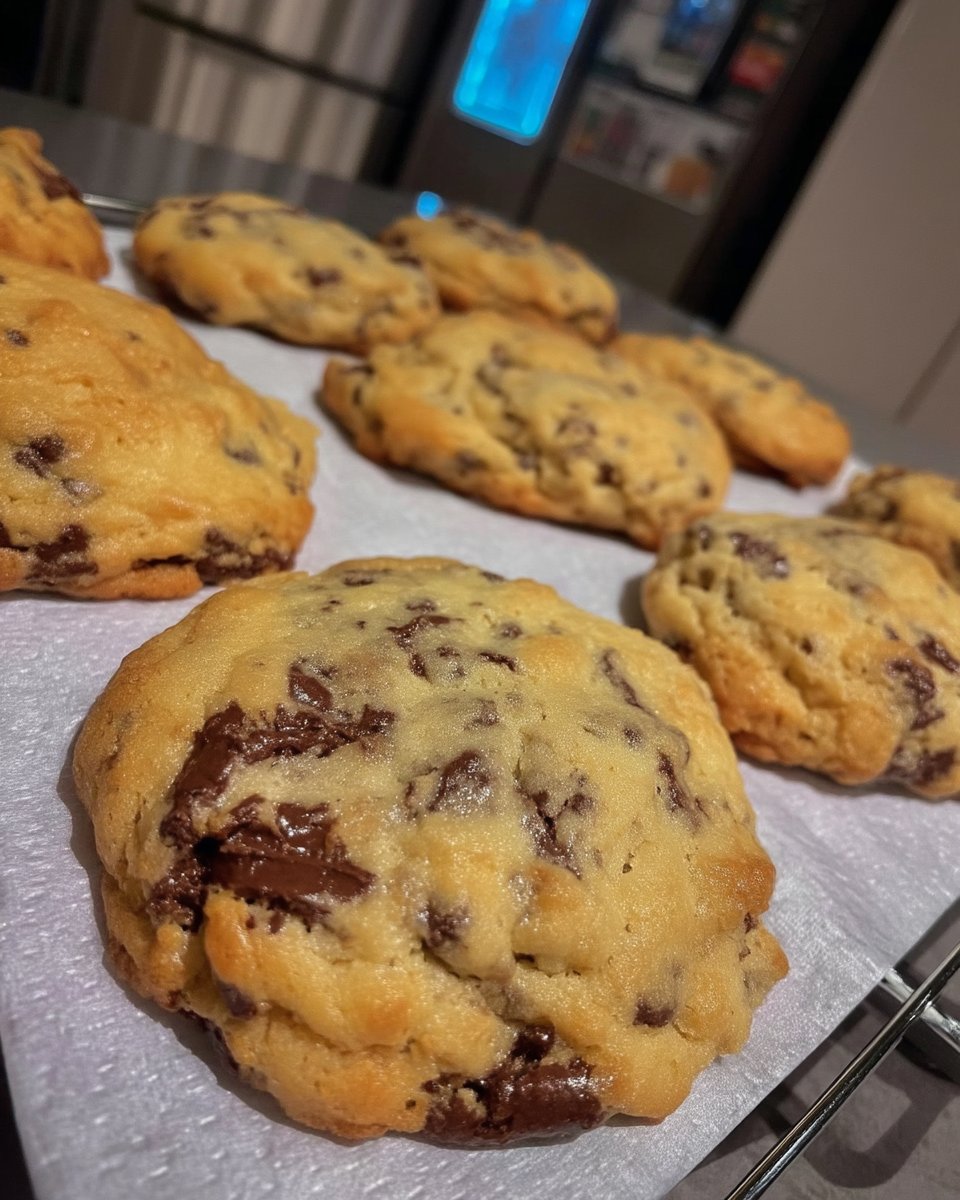
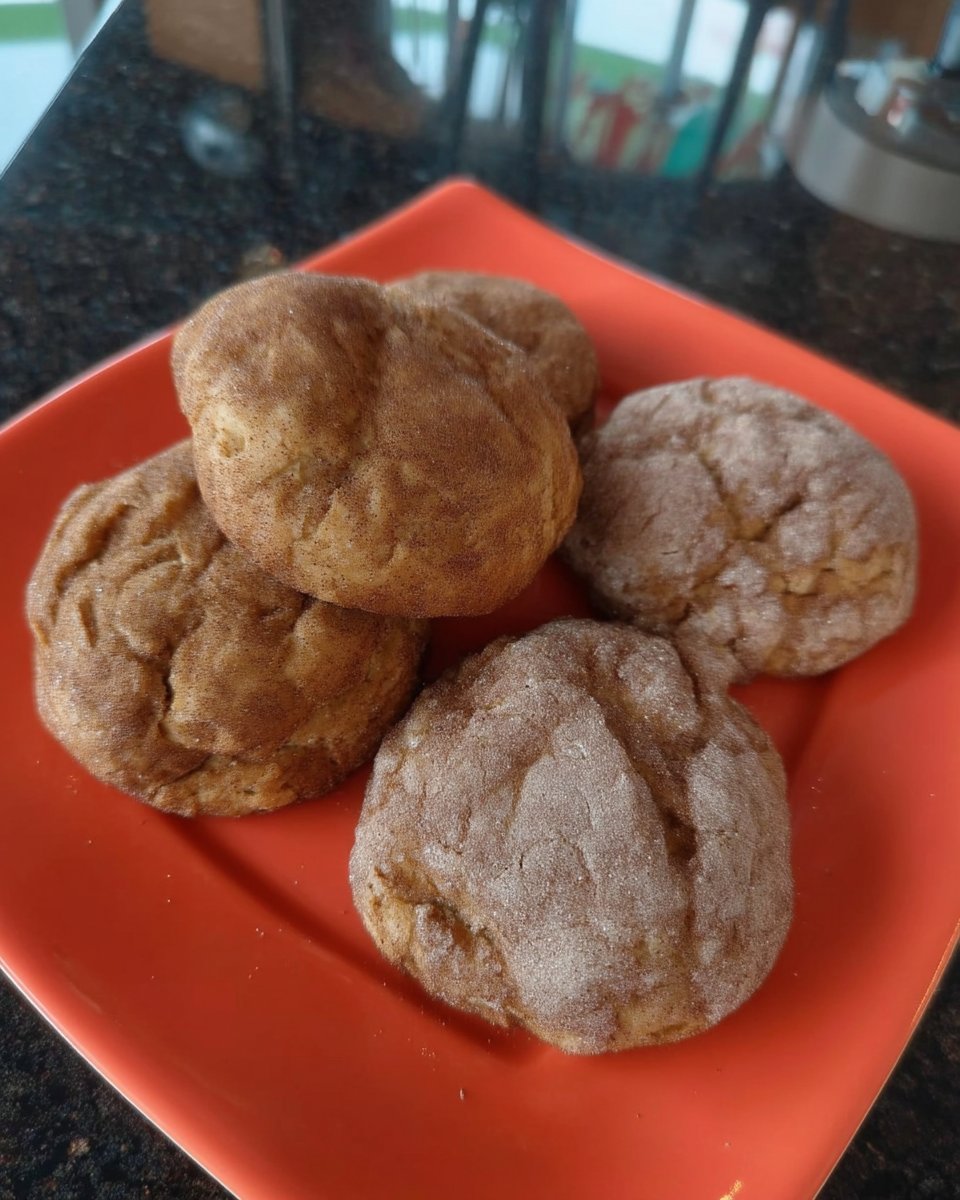
Making your own pantry staples is the hallmark of a baker who truly cares about the final crumb. When you control the foundation—like this rich, nutty butter—every cookie you bake with it turns out better, because you aren’t fighting against hidden stabilizers or excess sugar. There is a quiet satisfaction in watching simple peanuts transform into a creamy spread that tastes purely of itself.

This sugar free peanut butter comes together in minutes and delivers a depth of flavor that store-bought jars just can’t match. Whether you need a low-carb option for snacking or a robust, savory base for your next batch of cookies, this recipe gives you complete control over the texture and sweetness.
The Foundation of Flavor
There is something incredibly grounding about making food from scratch, especially when it is as simple as this. You will love this recipe because it strips away the unnecessary fillers and focuses entirely on the quality of the nut. It is the perfect blank canvas—creamy, savory, and ready to be adapted.
For those of us who love to bake but want to keep things lighter, this recipe is a lifesaver. It fits perfectly into keto, vegan, and gluten-free lifestyles without sacrificing that classic comfort food taste. Once you taste the difference of fresh-ground peanuts, you might never go back to the shelf-stable version again.
Print
Sugar Free Peanut Butter
- Total Time: 10 mins
- Yield: 1 cup
- Diet: Keto, Vegan, Gluten-Free
Description
Making your own sugar-free peanut butter allows you to skip the preservatives and focus on the intense, natural flavor of roasted nuts. This versatile staple is incredibly easy to prepare and yields a creamy, rich spread perfect for keto-friendly snacking or enhancing your favorite baked goods.
Ingredients
- 2 cups roasted, unsalted peanuts
- 1 tablespoon peanut oil or vegetable oil
- 5–10 drops liquid monk fruit or stevia (optional)
- 1/4 teaspoon sea salt (optional)
Instructions
- Add the roasted peanuts to a high-powered blender or food processor and pulse until they reach a coarse, meal-like consistency.
- Scrape down the sides of the container and add the oil and liquid sweetener if using.
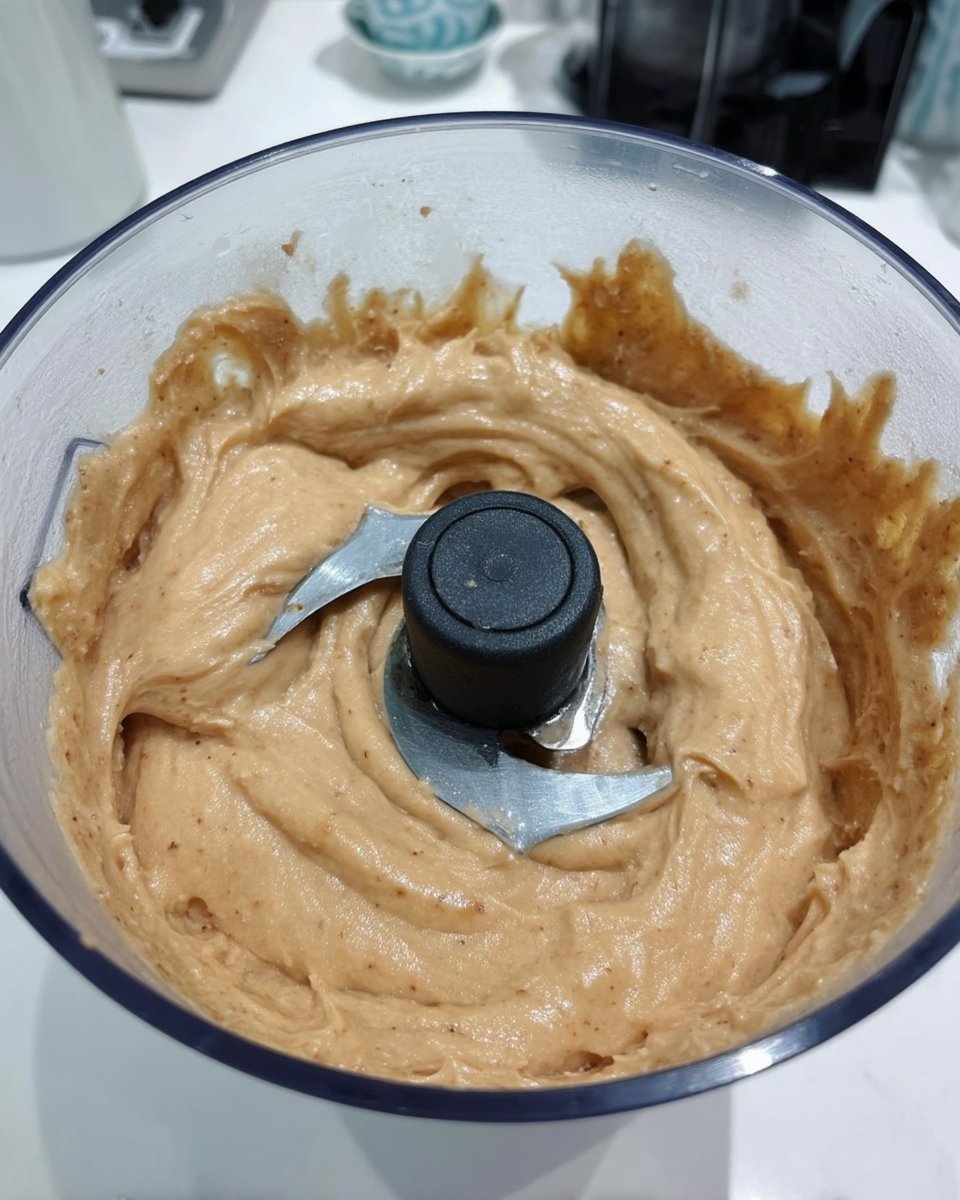
- Process on high speed in one-minute bursts, scraping as needed, until the mixture transforms into a glossy, smooth butter.
Notes
For the most vibrant peanut flavor, try lightly re-toasting your store-bought roasted peanuts in a dry pan for a few minutes until fragrant before blending. This extra heat helps the natural oils release more efficiently, ensuring an even silkier consistency without needing excessive added oil.
- Prep Time: 5 mins
- Cook Time: 5 mins
- Category: Condiment
- Method: Blending
- Cuisine: American
Quality Ingredients for a Perfect Base
To make a spread worth eating by the spoonful, you have to start with excellent ingredients. Since there are so few components here, the quality of each one really shines through in the final product.
- Peanuts: I recommend using roasted, unsalted peanuts. Roasting brings out the natural oils and deepens the flavor, which is crucial for a rich butter. If you start with raw peanuts, roast them in the oven for a few minutes first.
- Peanut Oil: A little extra oil helps the blade do its work and ensures a silky texture. You can use peanut oil for intense flavor, or a neutral vegetable oil if you prefer.
- Honey or Sweetener Alternative: To keep this truly sugar-free, skip the honey and use a liquid sugar alternative like monk fruit or stevia drops. If you are just looking for a natural option, a touch of honey works beautifully to balance the salt.
The Classic Technique
Step 1: The Initial Grind
Place your roasted peanuts into a high-powered blender, like a Vitamix, or a sturdy food processor. Secure the lid and process on high for about one minute. The peanuts will turn into a coarse meal or a thick, dry paste initially. This is normal; just let the machine do the heavy lifting.
Step 2: Add the Emulsifiers
Stop the machine and scrape down the sides of the bowl with a spatula to ensure everything gets mixed evenly. Add one tablespoon of the oil and your chosen sweetener (if using). This little bit of liquid will help the peanut paste start to move more freely around the blades.
Step 3: Process to Perfection
Turn the machine back on and process for another minute. Stop, scrape down the sides, and check the consistency. Repeat this cycle—processing and scraping—until the mixture turns glossy and smooth. If it feels too thick or dry, drizzle in the remaining oil gradually until you reach that perfect, spreadable texture.
Teresa’s Kitchen Wisdom
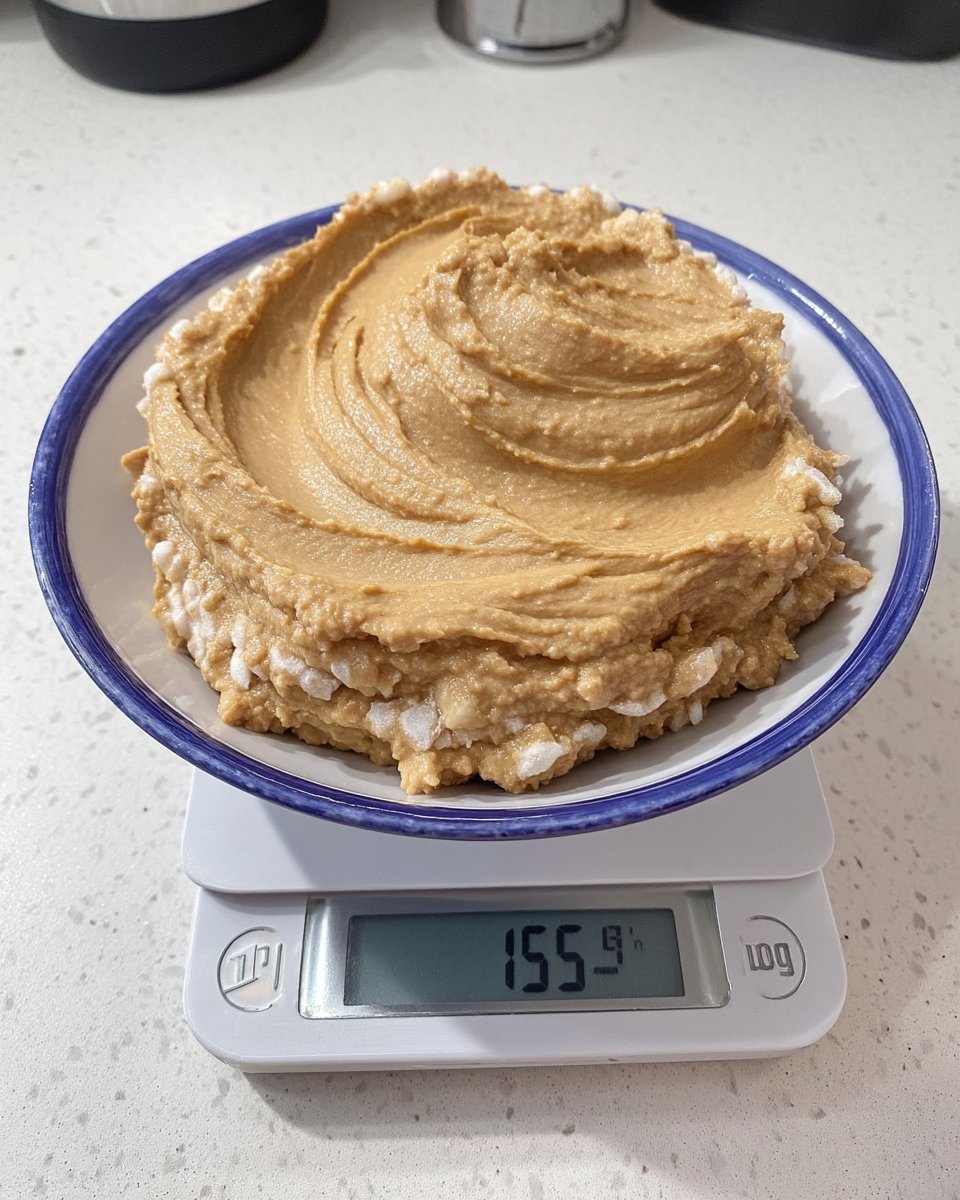
Patience is the secret ingredient here. Depending on the power of your food processor, the peanuts might take a few minutes to release their natural oils and turn creamy. Do not rush the motor; give it breaks if it gets warm. The heat from the friction actually helps the oils release, but you want to avoid overheating the butter itself.
Storage is also key for natural nut butters. Because we aren’t using preservatives, this jar should live in the refrigerator, where it will keep for up to a month. If it firms up too much in the cold, just let it sit on the counter for ten minutes before using. This texture is firm enough to hold up in recipes like our chocolate no bake cookies, ensuring they set perfectly without becoming too sticky.
Make It Your Own
Once you have mastered this base, you can let your creativity run wild. If you prefer a crunchy version, reserve half a cup of roasted peanuts and pulse them in at the very end just until chopped. For a chocolate indulgence, blend in a tablespoon of unsweetened cocoa powder and a little extra sweetener.
You can also experiment with different nuts. Almonds and cashews follow the same process, though they may need a touch more oil. You can even swirl this peanut butter into a keto sugar free cheesecake batter for a nutty twist that cuts through the richness of the cream cheese. For even more inspiration on specific sweetener ratios and homemade spread ideas, check out this guide on sugar free peanut butter.
Classic Ways to Serve
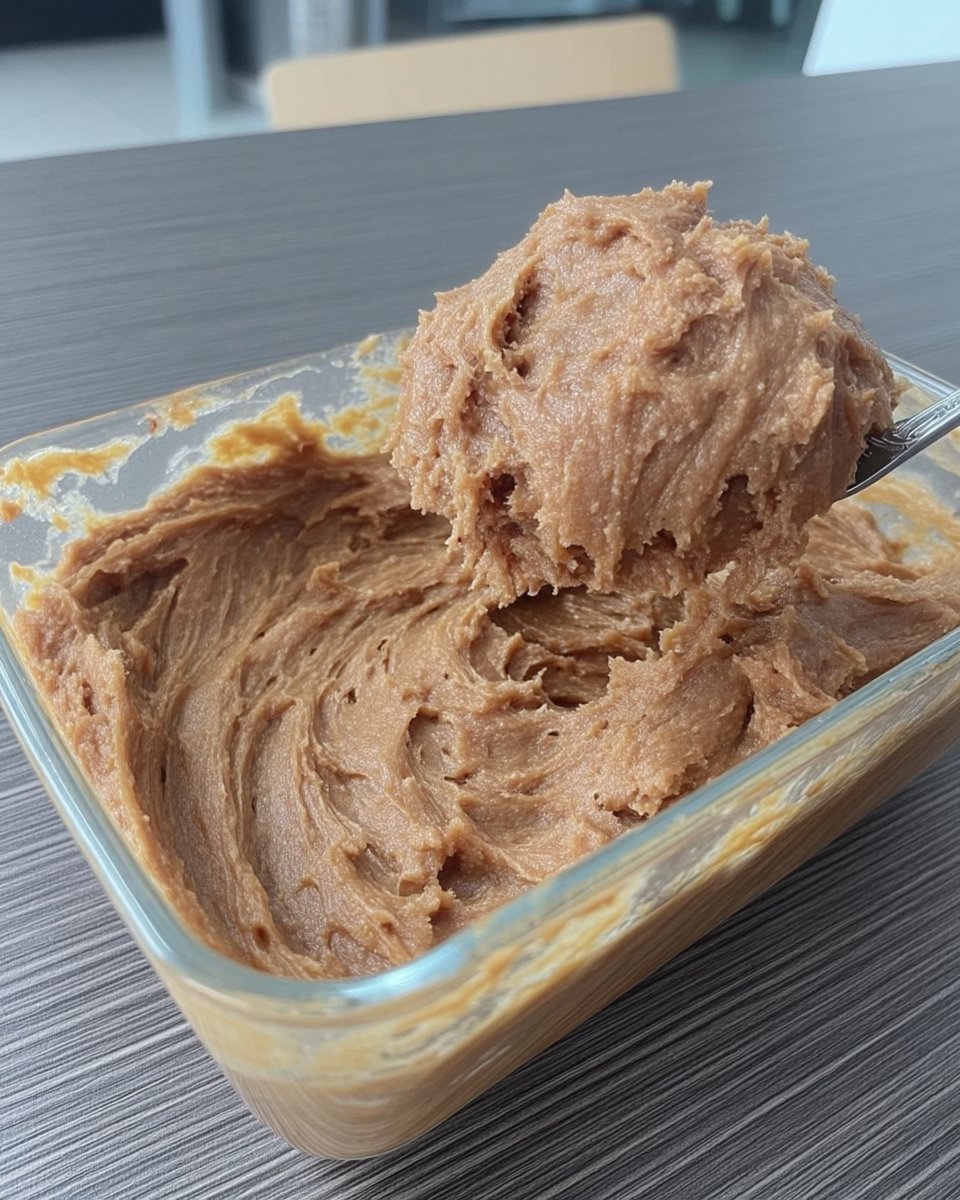
There is nothing quite like warm, homemade peanut butter spread over a slice of toasted sourdough or crisp apple slices. It is a humble snack that feels special because you made it yourself. For a quick breakfast, swirl a spoonful into your morning oatmeal or yogurt bowl for added protein and healthy fats.
Of course, my favorite use is as the base for our classic peanut butter blossom cookies. The pure, intense peanut flavor of this homemade butter really shines through the dough, balancing the sweet chocolate kiss on top perfectly.
A Staple Worth Making
Taking the time to make your own sugar free peanut butter is a small act that pays off in big flavor. It connects you to your ingredients and gives you the confidence to tackle more complex baking projects, knowing you have a solid foundation in your pantry. Adopting a clean cookie living mindset starts with simple swaps like this.
I hope you enjoy the process of watching these simple nuts transform. If you make a batch, I’d love to see it! Share your photos with us on Facebook, Pinterest, or Instagram. Happy blending!