Last Saturday at the local farmers market, I found myself drawn to a small stall overflowing with hand-churned butter and jars of wild meadow honey. The golden hue of that butter reminded me of the sun setting over the hay fields, and I knew right then it was the perfect excuse to bake a batch of classic shortbread cookies. There is something profoundly beautiful about a recipe that honors the simple abundance of nature through just a few high-quality ingredients.

This recipe is my favorite way to celebrate the pure, creamy flavor of real butter without any artificial distractions. These melt-in-your-mouth squares are the ultimate canvas for natural additions, bringing a bit of farmhouse warmth and wholesome charm to your kitchen counter with every golden bite.
The Simple Magic of Natural Ingredients
You will fall in love with these treats because they embody the wholesome loaded philosophy in the most delicate way possible. While some cookies rely on heaps of toppings, these shortbread cookies find their beauty in the quality of the fats and the fineness of the crumb. They are not just cookies; they are a celebration of pantry staples that feel like a treasure when brought together.
The texture is what truly sets them apart. Because we use confectioners’ sugar instead of granulated, the result is a silkiness that feels like a warm hug for your taste buds. There are no preservatives or mysterious additives here—just the honest, vibrant flavors of real vanilla and cream. They are sturdy enough to be packed for a picnic in the woods yet tender enough to dissolve the moment they hit your tongue. Whether you are a seasoned baker or just starting your journey with natural ingredients, this recipe offers a sense of accomplishment that is as sweet as the cookies themselves.
Print
Shortbread Cookies
- Total Time: 1 hour 25 mins
- Yield: 12 cookies
- Diet: Vegetarian
Description
Discover the elegance of classic shortbread cookies made with just a handful of premium ingredients for a delicate, buttery crumb. These melt-in-your-mouth treats offer a sophisticated sweetness that pairs perfectly with tea or fresh seasonal fruit.
Ingredients
- 10 tbsp (142g) Unsalted Butter, softened
- 1/2 cup Confectioners’ Sugar
- 1/2 tsp Pure Vanilla Extract
- 1 1/2 cups (180g) All-Purpose Flour
- 1/2 tsp Kosher Salt (optional)
Instructions
- In a stand mixer fitted with a paddle attachment, cream together the softened butter and vanilla extract until pale and creamy.
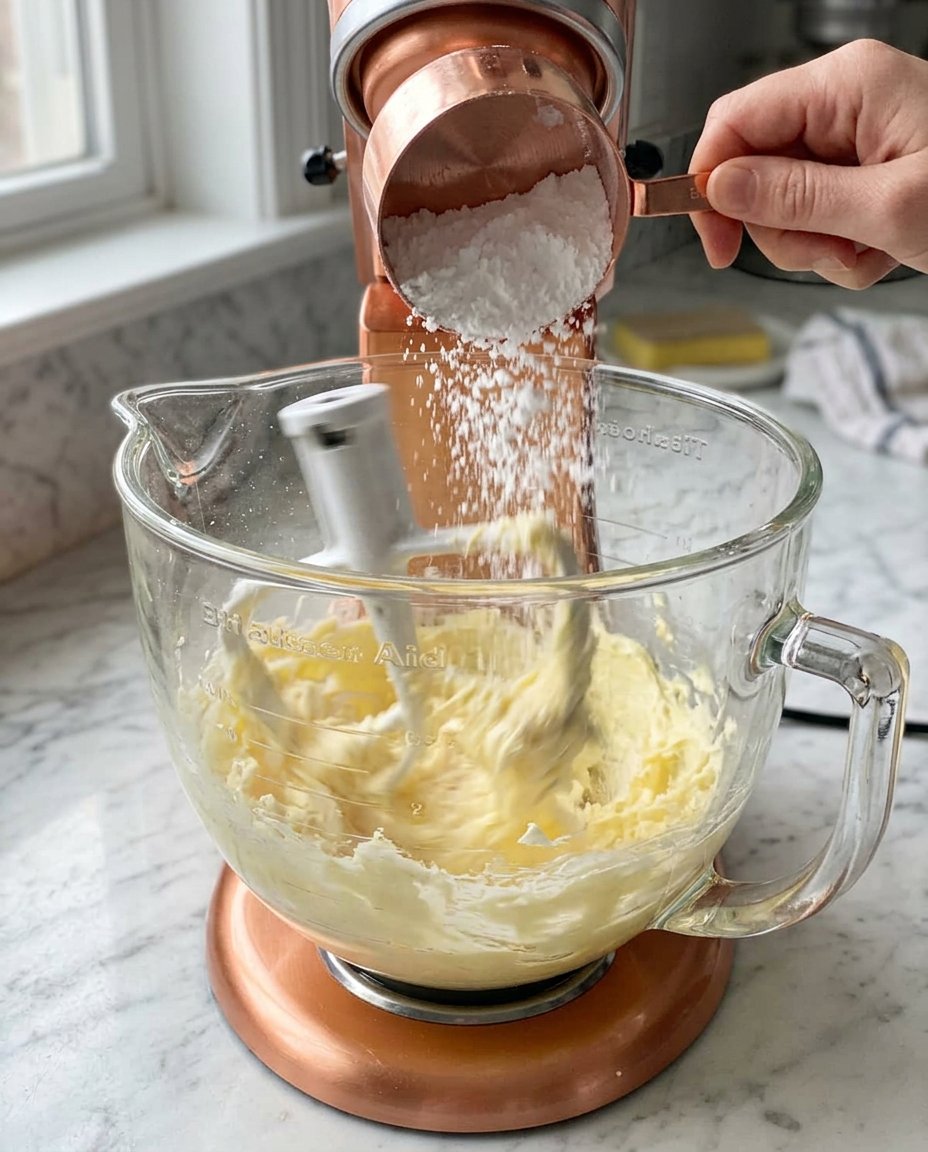
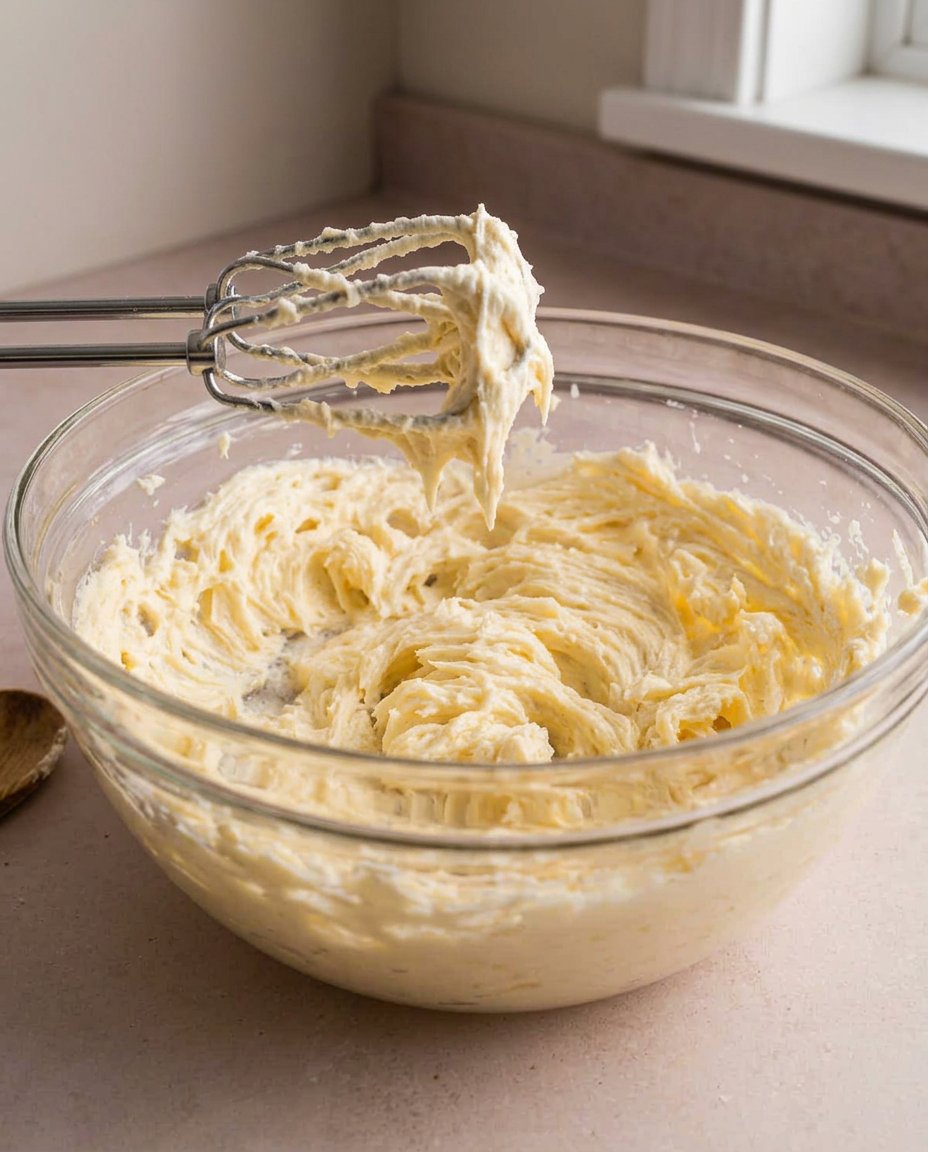
- Turn the mixer to low and add the confectioners’ sugar and salt, mixing until a smooth, frosting-like paste forms.
- Gradually add the flour on the lowest setting, stopping as soon as the flour is fully incorporated into a soft dough.
- Shape the dough into a rectangular prism about two inches thick on parchment paper, wrap tightly, and refrigerate for at least one hour.
- Preheat your oven to 350°F (177°C) and slice the chilled dough into half-inch thick slabs using a sharp knife.
- Place cookies on a lined baking sheet, prick the tops with a fork, and bake for 10 minutes until barely golden.
Notes
For the cleanest edges, use a very sharp chef’s knife to slice the chilled dough prism in a single downward motion rather than sawing through it. If you prefer a richer flavor, seek out European-style butter which has a higher fat content and lower moisture. These cookies store beautifully in an airtight container at room temperature for up to one week.
- Prep Time: 1 hour 15 mins
- Cook Time: 10 mins
- Category: Dessert
- Method: Baking
- Cuisine: British
Natural Abundance in Your Pantry
To create these beautiful shortbread cookies, we look toward ingredients that are as close to the source as possible. Quality is the secret here, as each component has space to shine.
- Unsalted Butter (10 tbsp / 142g): This is the heart of the recipe. I always look for a high-quality, grass-fed butter if I can find it at the market. It should be soft enough to hold a thumbprint but not so warm that it is greasy.
- Confectioners’ Sugar (1/2 cup): This provides the signature melt-in-your-mouth feel. It blends into the butter far more smoothly than granulated sugar, creating a uniform, delicate texture.
- Pure Vanilla Extract (1/2 tsp): Avoid the imitation stuff! Real vanilla, made from sun-drenched beans, adds a depth of aroma that makes your whole kitchen smell like a dream.
- All-Purpose Flour (1 1/2 cups / 180g): I prefer an unbleached variety to keep things as close to the grain as possible. It provides the structure needed to hold those beautiful fork-indented patterns.
- Kosher Salt (1/2 tsp, optional): A tiny pinch of salt acts like a spotlight for the sweetness of the butter. If you are using salted butter from the farm, you can skip this addition.
The Natural Process of Baking Shortbread
Step 1: Creaming the Butter
Begin by placing your room-temperature butter and the real vanilla extract into your stand mixer. Use the paddle attachment to beat them together until the mixture looks pale and creamy. This step is about integrating the floral notes of the vanilla into the rich fats of the butter, creating a fragrant base for your dough.
Step 2: Adding the Sweetness
Turn the mixer to a low speed and gently add in the confectioners’ sugar and the optional salt. Mix just until the sugar disappears into the butter. You want a smooth, cohesive paste that looks like thick frosting. Avoid whipping too much air into it, as shortbread is prized for its dense, buttery bite rather than a cake-like rise.
Step 3: Folding in the Flour
Scrape down the sides of the bowl to make sure every bit of butter is included. Add the flour while the mixer is on its lowest setting. Watch closely as the white powder transforms into a soft, supple dough. Stop the mixer the moment the last streaks of flour vanish to keep the texture tender and light.
Step 4: Shaping and Chilling
Turn the dough out onto a piece of parchment paper. Use your hands to shape it into a rectangular prism, about two inches thick. Wrap it tightly in plastic or beeswax wrap and let it rest in the refrigerator for at least one hour. This chilling time allows the flour to fully hydrate and the butter to firm up, which is vital for those clean, sharp slices.
Step 5: Slicing the Slabs
Preheat your oven to 350F (177C). Once the dough is firm, use a sharp chef’s knife to cut the prism into half-inch thick slices. This is where the natural beauty of the dough really shows. Place the slices on a baking sheet lined with a silicone mat, leaving about an inch of space between each one so the heat can circulate evenly.
Step 6: Patterning and The Golden Bake
Use a fork or a wooden skewer to press a simple pattern into the top of each cookie. This is a traditional touch that helps steam escape. Bake for about 10 minutes, rotating the pan halfway through. You are looking for a very pale gold color—shortbread is best when it stays light and buttery rather than deeply browned. Transfer to a wire rack to cool completely before enjoying.
Fresh Wisdom for the Best Crumb
One of the most important things to remember is that the temperature of your kitchen can affect the dough. If it is a particularly warm afternoon, don’t be afraid to pop the dough back in the fridge for ten minutes if it starts feeling too soft to handle. Working with cool dough helps maintain the integrity of the shapes. For those looking for a different style of traditional bake, you might also enjoy learning about scottish-shortbread which often uses different ratios for a crunchier finish.
I also recommend using a heavy-duty baking sheet. Thin pans can cause the bottoms of these delicate shortbread cookies to brown too quickly before the middle is set. If you find your cookies are spreading too much, it usually means the butter was too warm when it went into the oven. Always chill your sliced cookies for five minutes on the tray before baking if your kitchen is hot. You can also refer to John Kanell’s method for more insight on achieving that perfect, non-spread bake through careful temperature control.
Seasonal Swaps and Wild Ideas
While the classic version is stunning in its simplicity, I love adding a bit of seasonal flair. During the spring, you can fold in a tablespoon of dried culinary lavender or some fresh lemon zest to give the shortbread a bright, floral lift. If you are feeling indulgent, these are wonderful when half-dipped in melted dark chocolate and sprinkled with crushed pistachios. For more inspiration on decorating these treats, check out our guide on dipped-shortbread for a beautiful presentation.
In the autumn months, try replacing the vanilla with almond extract and adding finely chopped toasted pecans. The nutty aroma pairs perfectly with the buttery base. You can even use natural food powders like ground hibiscus or matcha to create colorful swirls in the dough without using anything artificial. The possibilities are as vast as a wildflower meadow, so let your creativity run wild with whatever fresh ingredients are calling to you from the garden or the pantry.
A Natural Presentation for Every Occasion
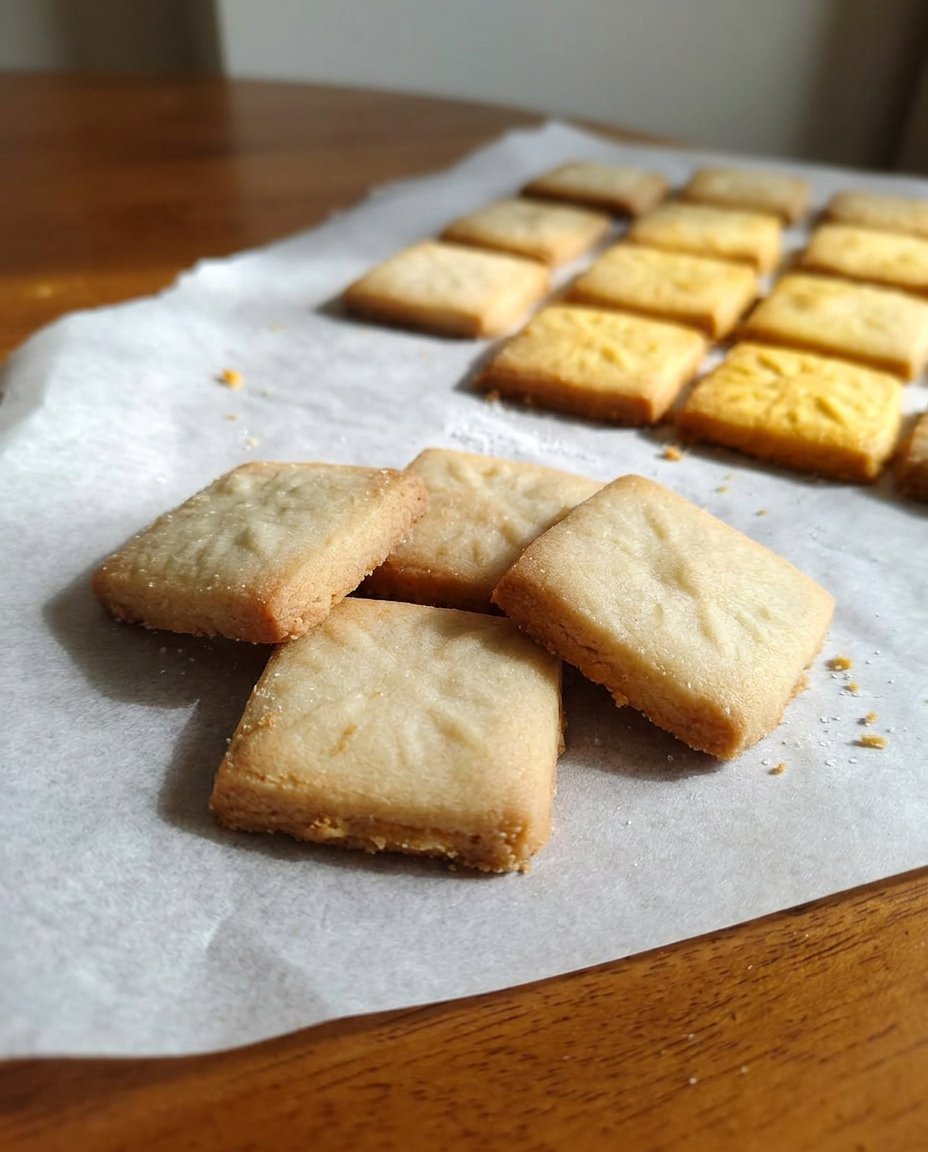
Shortbread cookies are at their most charming when served simply. I love piling them onto a reclaimed wooden serving board alongside a bowl of fresh, seasonal berries. The vibrant red of strawberries or the deep blue of blackberries looks stunning against the pale gold of the cookies. For a traditional afternoon treat, serve them with a pot of herbal tea or a rich, creamy café au lait. If you love these buttery styles, you might find our kourabiedes-recipe to be another wonderful addition to your tea-time platter.
These also make the most thoughtful gifts. I like to wrap a small stack of cookies in brown parchment paper, tie them with a piece of natural twine, and tuck a sprig of fresh rosemary or a dried flower into the knot. It’s a beautiful, earthy way to share the abundance of your kitchen with friends and neighbors. They are perfect for holiday cookie exchanges, bridal showers, or just a quiet afternoon spent reading in a sunlit corner of the garden.
Abundant Baking from My Heart to Yours
I hope these shortbread cookies bring a sense of peace and natural beauty to your home. There is a special kind of joy found in mastering a recipe that relies on patience and quality rather than complicated techniques. When you take that first bite and feel the buttery crumb dissolve, you’ll understand why this simple tradition has lasted for generations. If you want to keep the buttery goodness going, be sure to try our heidesand-recipe for another take on classic European biscuits.
I would love to see how your cookies turned out and what natural patterns you chose to indent on top! Please share your baking journey with me and the rest of our community. You can find more inspiration and share your photos with us on Pinterest and Instagram. Happy baking, and may your kitchen always be filled with the scent of real vanilla and fresh butter!