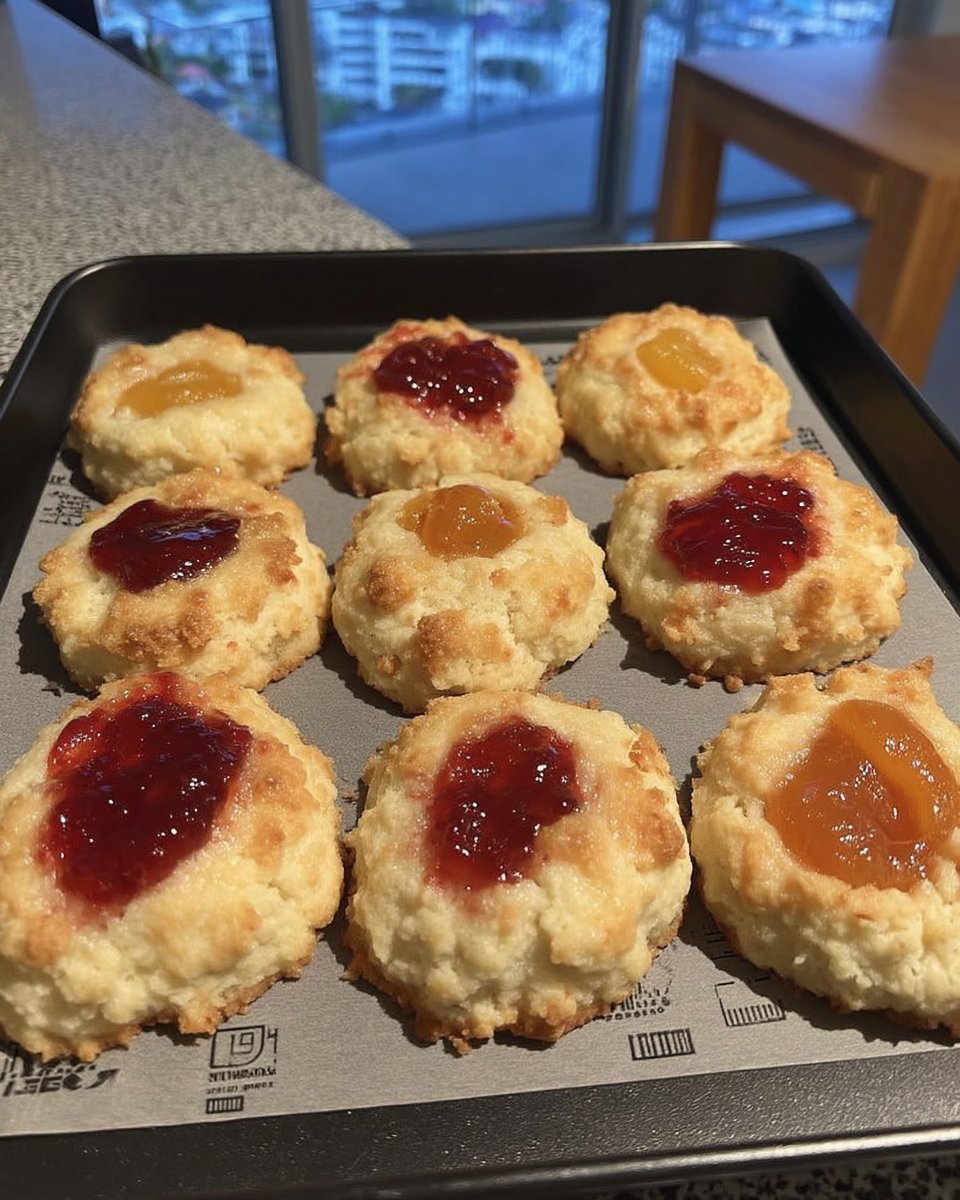
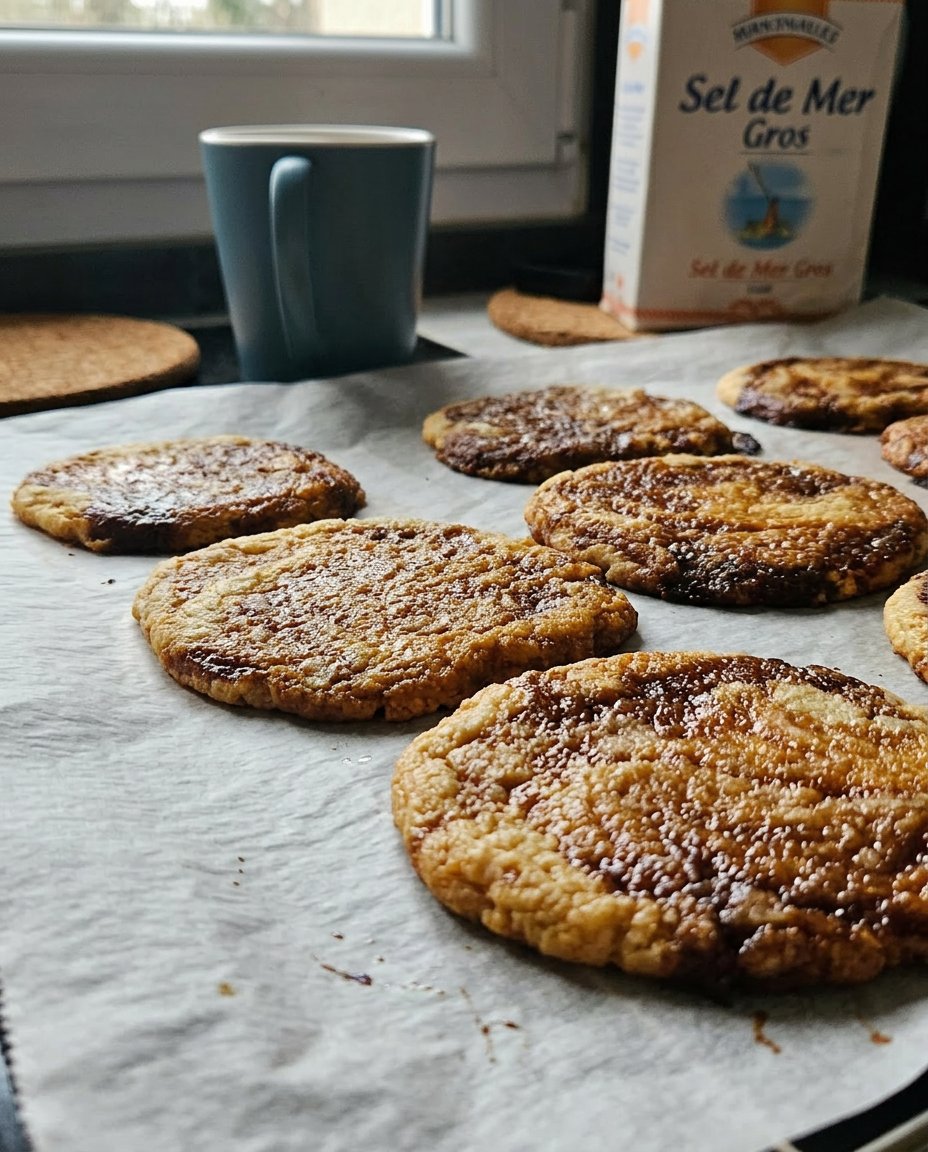
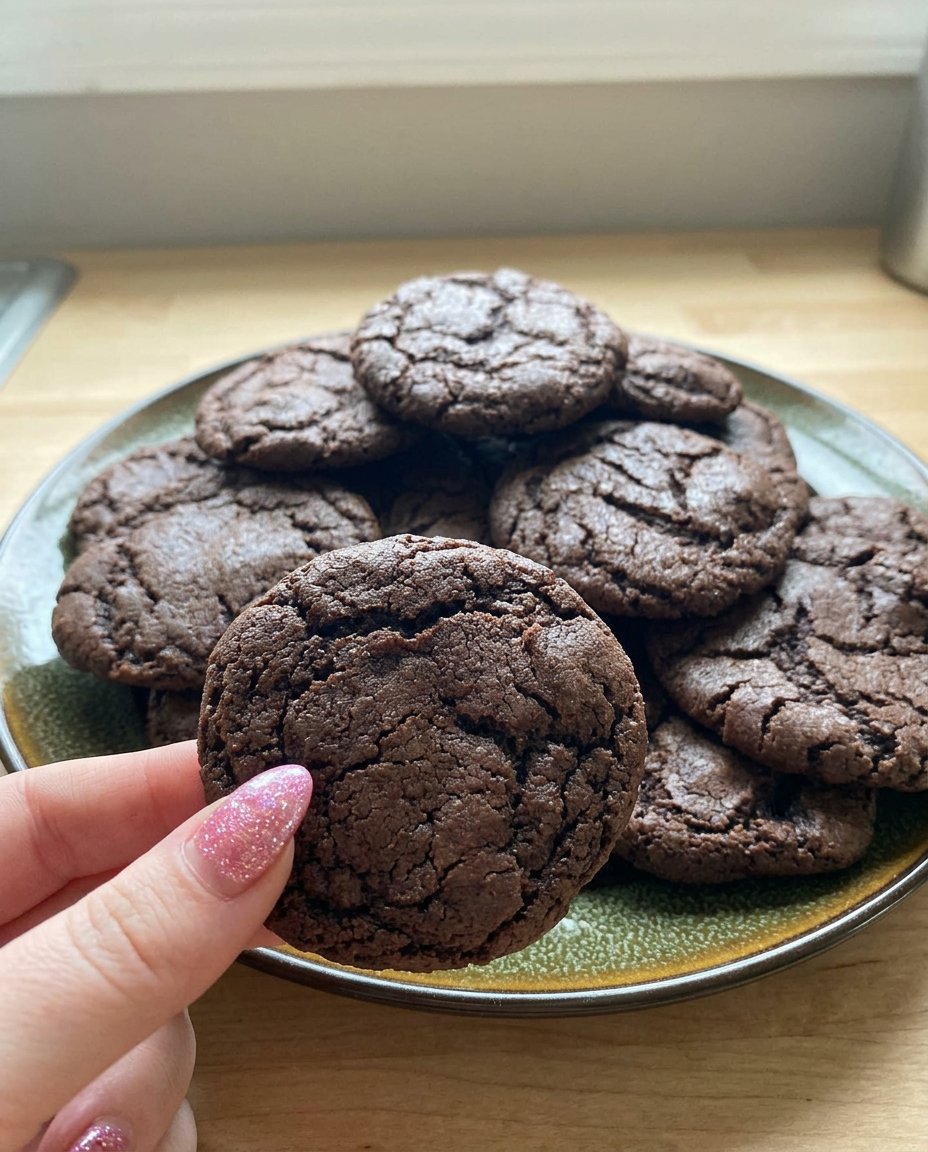
In our kitchen, the foundation of every great memory is a cookie that holds its shape but melts the moment it hits your tongue. These classic Mexican sugar cookies are a testament to how simple techniques, like the proper creaming of shortening and sugar, create a crumb that modern recipes often forget. I remember watching these vibrant treats fill the bakery windows of my youth, teaching me that beauty always starts with a sturdy, well-made dough.

Often referred to as Mexican wedding cookies or tri-color sugar cookies, these Polvorones are thick, satisfying, and beautifully cracked across the top. We use a combination of leavening agents and a chilled dough to make sure they spread just enough while maintaining that signature sandy texture that defines a traditional panaderia favorite.
The Foundation of a Perfect Panaderia Classic
There is a specific kind of joy found in a cookie that doesn’t rely on being overly sweet to make its point. These Polvorones are cherished because they offer a reliable, tender crumb that feels substantial in your hand. When you take a bite, the cookie gives way to a delicate, sandy texture that is the hallmark of a traditional recipe built on solid foundational skills. It is the kind of treat that reminds you why we bother with the extra steps of chilling dough and measuring ingredients by weight.
You will love these because they are remarkably versatile. Whether you dye them in the classic pink, yellow, and white or keep them a solid, cheerful hue, the base dough remains the star. It is a buttery-tasting foundation that supports the crunch of the cane sugar coating without becoming cloying. This is a recipe for those who appreciate the craft of baking—the way shortening creates a different structure than butter, and how a slow cream-down of sugar leads to those beautiful, iconic cracks on the surface. It’s a piece of heritage you can hold in your palm.
Beyond the texture, these cookies are a visual delight. They bring a pop of color to any cookie jar and serve as a wonderful introduction to Mexican baking traditions. Because they are sturdy, they travel well, making them the ideal choice for sharing with neighbors or bringing to a community gathering. They represent a time-tested technique that proves you don’t need fancy equipment to create something truly extraordinary.
Print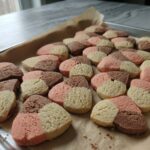
Polvorones
- Total Time: 1 hour 30 mins
- Yield: 24 cookies
- Diet: Vegetarian
Description
These traditional Mexican sugar cookies are celebrated for their unique sandy texture and iconic cracked tops. By utilizing a foundation of shortening and a thorough creaming process, this recipe yields a sturdy yet tender cookie that perfectly captures the spirit of an authentic panaderia.
Ingredients
- 541 g All-Purpose Flour
- 336 g Butter-Flavored Shortening or Lard
- 300 g White Granulated Sugar
- 67 g Cane Sugar (for rolling)
- 1 tsp Baking Soda
- 1 tsp Baking Powder
- 1/2 tsp Kosher Salt
- 1 tbsp Pure Vanilla Extract
- 2 Large Eggs
- Gel food coloring (optional)
Instructions
- In a large mixing bowl, whisk together the all-purpose flour, baking soda, baking powder, and kosher salt until well combined.
- Using a stand mixer fitted with a paddle attachment, cream the shortening, granulated sugar, and vanilla extract on medium speed for 2 minutes until light and fluffy.
- Add the eggs one at a time to the creamed mixture, beating well after each addition to ensure full emulsification.
- Turn the mixer to the lowest setting and gradually add the dry ingredients, mixing only until the white streaks of flour disappear.
- If desired, divide the dough into separate bowls and mix in gel food coloring; wrap the dough tightly and refrigerate for at least 1 hour.
- Preheat your oven to 350ºF (175ºC) and line several baking sheets with parchment paper.
- Portion the chilled dough using a 1/4 cup scoop, roll into smooth balls, and then roll each ball generously in the cane sugar.
- Place five balls on each baking sheet, flatten slightly with the back of a measuring cup, and bake for 12 to 14 minutes until deep cracks form.
- Allow the cookies to rest on the hot sheet for 5 minutes before transferring them to a wire rack to cool completely.
Notes
For the most authentic appearance, ensure you do not let the cookies brown in the oven; they should remain pale to preserve their traditional flavor profile. If you are baking in a warm kitchen, keep the dough portions in the refrigerator between batches to maintain the proper fat consistency for those signature surface cracks. These cookies are quite sturdy once cooled and store beautifully in an airtight container for up to one week.
- Prep Time: 15 mins
- Cook Time: 14 mins
- Category: Dessert
- Method: Baking
- Cuisine: Mexican
Quality Ingredients for a Traditional Base
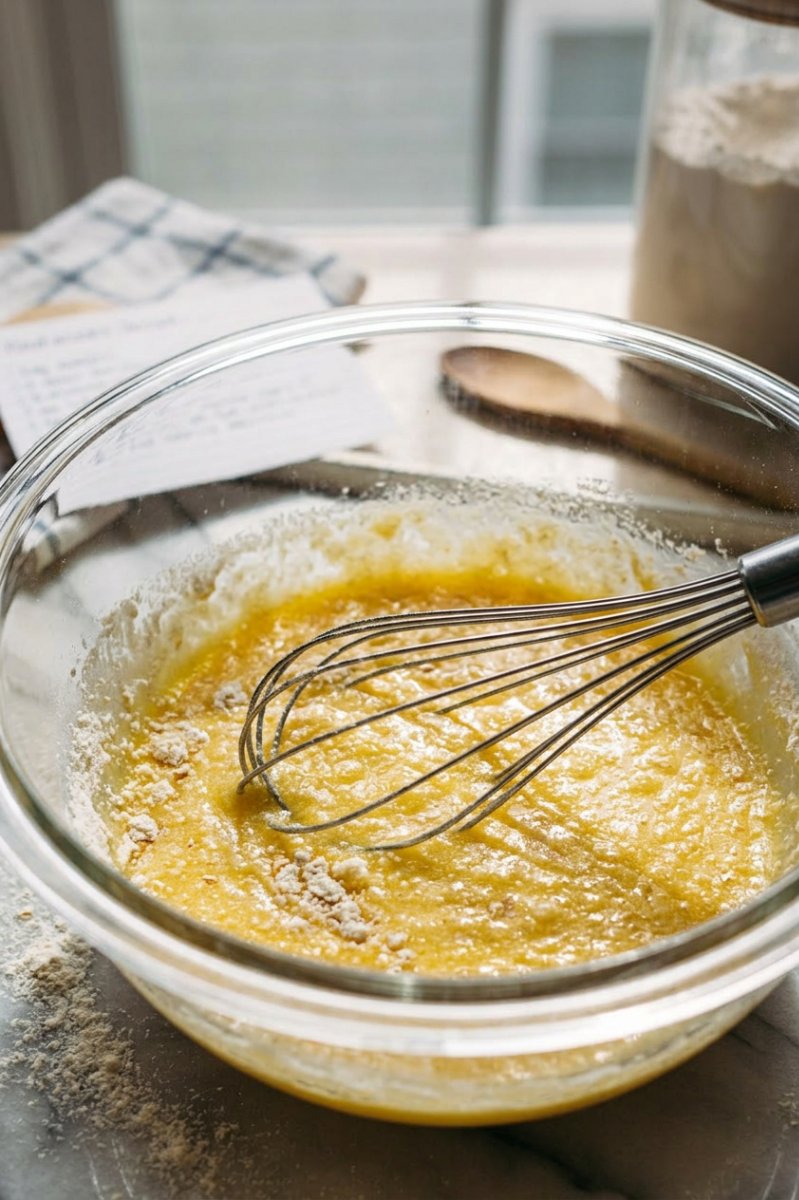
To achieve the specific, crumbly texture of an authentic Polvoron, the quality and temperature of your ingredients are paramount. This isn’t just a list; it is the building block of your cookie’s soul.
- All-Purpose Flour (541 g): We use a generous amount of flour to provide the structure needed for a thick, hearty cookie. Measuring by weight is the best way to make sure your dough isn’t too dry or too sticky.
- Butter-Flavored Shortening or Lard (336 g): While many modern cookies use butter, the traditional foundation of a Polvoron relies on shortening or lard. This is what creates that distinct, sandy ‘dust’ texture that gives the cookie its name. The butter flavoring provides that nostalgic richness while maintaining a higher melting point for those perfect cracks.
- White Granulated Sugar (300 g): This provides the sweetness and, when creamed with the fat, creates the air pockets necessary for a light but thick crumb.
- Cane Sugar (67 g): Used specifically for rolling, this coarser sugar adds a delightful crunch and a shimmering finish that contrasts beautifully with the soft interior.
- Baking Soda and Baking Powder: We use both to provide a double-lift. The baking soda helps with browning and spread, while the baking powder gives the cookie its height and the classic cracked top.
- Pure Vanilla Extract: A full tablespoon might seem like a lot, but it provides the aromatic backbone that balances the richness of the shortening. If you want to be extra fancy, vanilla bean paste adds beautiful little flecks to the dough.
- Large Eggs: These act as the binder, bringing the fat and flour together into a cohesive dough that can be shaped and colored without falling apart.
The Classic Method for Polvorones
Step 1: Prepare the Dry Foundation
In a large mixing bowl, whisk together your all-purpose flour, baking soda, baking powder, and kosher salt. It is important to whisk these thoroughly to distribute the leavening agents evenly. This makes sure that every cookie rises and cracks in the same beautiful way once they hit the heat of the oven. Set this dry mixture aside for a moment.
Step 2: The Creaming Technique
Attach the paddle to your stand mixer and combine the shortening, granulated sugar, and vanilla extract. Turn the mixer to medium speed and let it run for two full minutes. Do not rush this part. You are looking for the mixture to become noticeably light, fluffy, and pale. This process incorporates air into the fat, which is the secret to a cookie that is thick rather than heavy.
Step 3: Incorporate the Eggs
Add your eggs to the creamed mixture one at a time. Beat well after each addition to make sure the egg is fully emulsified into the fat. This step builds the strength of your dough, allowing it to hold the weight of the flour and any colors you choose to add later.
Step 4: Combine into a Dough
Turn your mixer down to the lowest setting. Gradually add the flour mixture, about one cup at a time. Mix only until the white streaks of flour disappear. Over-mixing at this stage can lead to a tough cookie, and we want to preserve that tender, sandy crumb that makes Polvorones so special.
Step 5: Color and Chill
If you are making the traditional multi-colored batch, divide your dough into separate bowls. Add a drop of gel food coloring to each and mix by hand or on low speed until the color is uniform. Wrap each ball of dough tightly in plastic wrap and place them in the refrigerator for at least one hour. Chilling the dough allows the flour to fully hydrate and the fat to firm up, which prevents the cookies from spreading too thin.
Step 6: Shape and Roll
Preheat your oven to 350ºF (175ºC) and line your baking sheets with parchment paper. Using a standard ice cream scoop (about 1/4 cup), portion out the chilled dough. Roll each portion into a smooth, round ball between your palms, then roll it generously in the cane sugar. The sugar coating is essential for that signature sparkle and crunch.
Step 7: The Final Bake
Place five dough balls on each sheet, leaving plenty of room for them to spread. Lightly flatten each ball with the back of a measuring cup and sprinkle a tiny bit more sugar on top. Bake one sheet at a time for 12 to 14 minutes. You are looking for the cookies to spread and develop deep cracks across the surface. They should stay pale; do not let them brown, as this will change the traditional flavor and texture.
Step 8: Cooling for Success
Allow the cookies to rest on the hot baking sheet for 5 minutes after removing them from the oven. This helps the structure set so they don’t break when you move them. Transfer them to a wire cooling rack to cool completely before serving. The texture actually improves as they reach room temperature.
Foundation Secrets for the Best Crumb
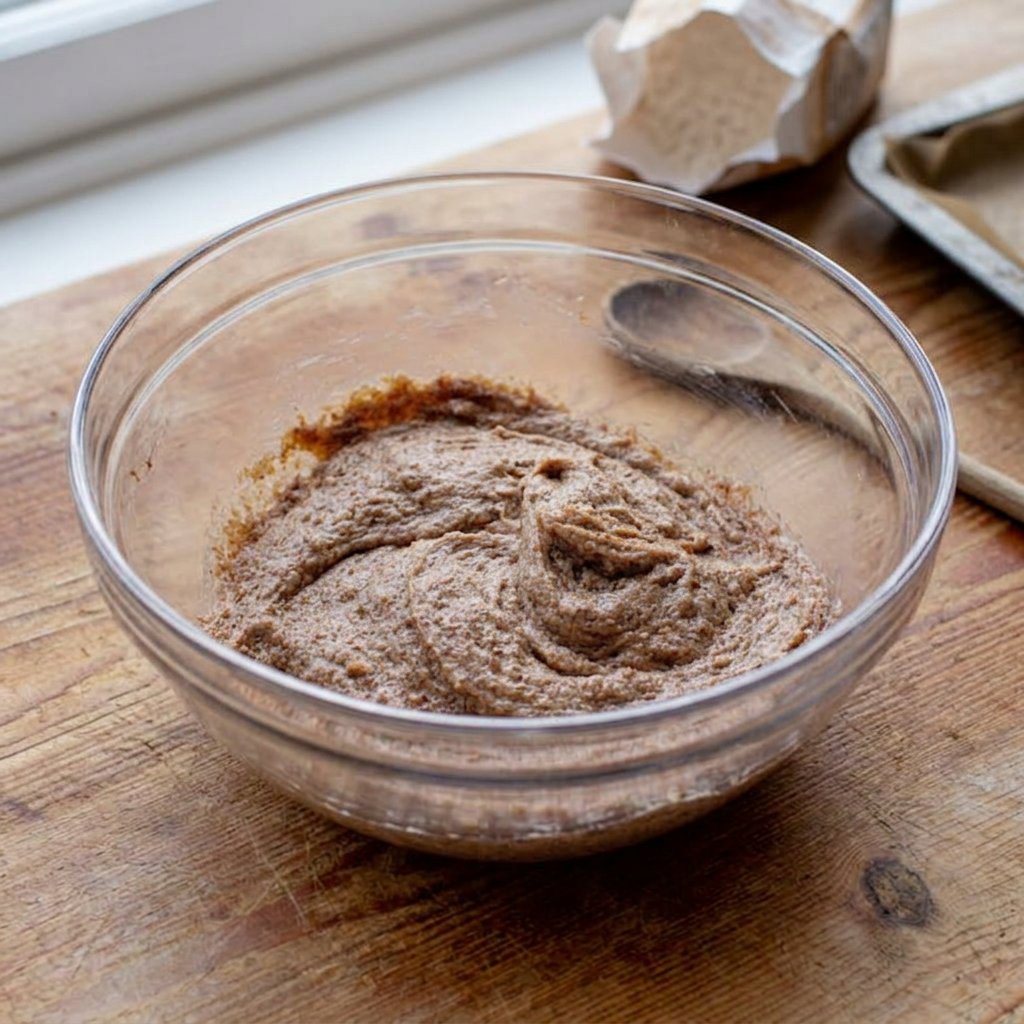
The most important secret to a perfect Polvoron is the temperature of your dough. If the dough is too warm when it enters the oven, the fat will melt before the structure sets, resulting in a flat cookie. Always make sure you give it that full hour in the fridge. For a similar focus on texture and chilling, you might also enjoy our pecan snowballs which rely on a similar melt-in-your-mouth foundation.
Another tip is to use gel food coloring rather than liquid. Liquid colors can change the hydration of the dough, making it sticky and harder to handle. Gel provides a vibrant hue without thinning out your beautiful dough base. Lastly, don’t be afraid of the ‘2-minute rule’ for creaming—that air is what makes the cookies light enough to enjoy two or three with your afternoon coffee.
Build On This Base With Your Wild Side
Once you have mastered the classic dough, you can start to play with the flavors while keeping the foundation intact. Try adding a teaspoon of ground cinnamon to the flour mixture for a warm, spiced version that feels perfect for the autumn months. You can also swap the vanilla for almond extract if you prefer a more nutty, floral profile. This dough is a strong, reliable base, much like the one we use for our scottish shortbread, which also celebrates the beauty of a simple, high-fat crumb.
For a more modern twist, you could even press a chocolate disc into the center of the dough ball before rolling it in sugar. If you are looking for even more inspiration for colorful, traditional treats, I highly recommend checking out these authentic Mexican pink sugar cookies for a deep look at the regional styles of this beloved classic. The dough is sturdy enough to handle almost any creative addition you can dream up.
Classic Enjoyment and Sharing Traditions
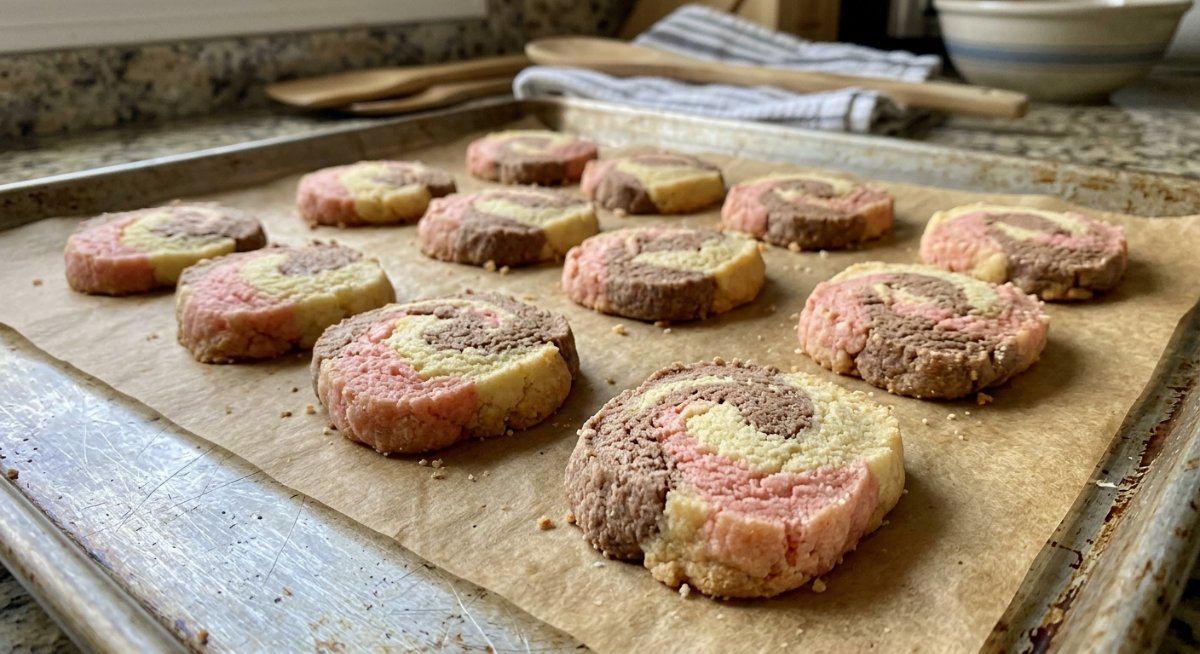
These cookies are best served at room temperature, perhaps a few hours after they have been baked so the crumb has fully set. In a traditional Mexican household, these are often served alongside a steaming cup of cafe de olla or a rich, frothy Mexican hot chocolate. The subtle sweetness of the cookie is the perfect partner for the deep, spiced notes of the coffee. Much like our kourabiedes recipe, these are cookies that invite you to slow down and enjoy a quiet moment.
If you are serving these at a party, try stacking them on a wooden platter to highlight their vibrant colors. They look wonderful when mixed with other traditional sweets. Because they aren’t overly delicate once cooled, you can also wrap them in cellophane bags with a pretty ribbon for a thoughtful, handmade gift that carries a bit of history with it.
The Sweet Foundation of Heritage
Baking these Polvorones is about more than just satisfying a sweet tooth; it is about honoring the techniques that have been passed down through generations. When you take the time to cream the shortening properly and let the dough rest, you are participating in a long-standing tradition of craft and patience. These cookies are a reminder that even the simplest ingredients can become something legendary when they are treated with respect and care. If you enjoy sharing tradition through baking, you should also try our italian christmas cookies, which bring a similar sense of joy to any table.
I hope these cookies bring as much warmth to your home as they have to mine for decades. I would love to see your colorful creations, so please share your photos and stories with our community. You can find more inspiration and share your baking journey with us on Pinterest, Instagram, and Facebook. Happy baking, and remember: always start with a good dough!