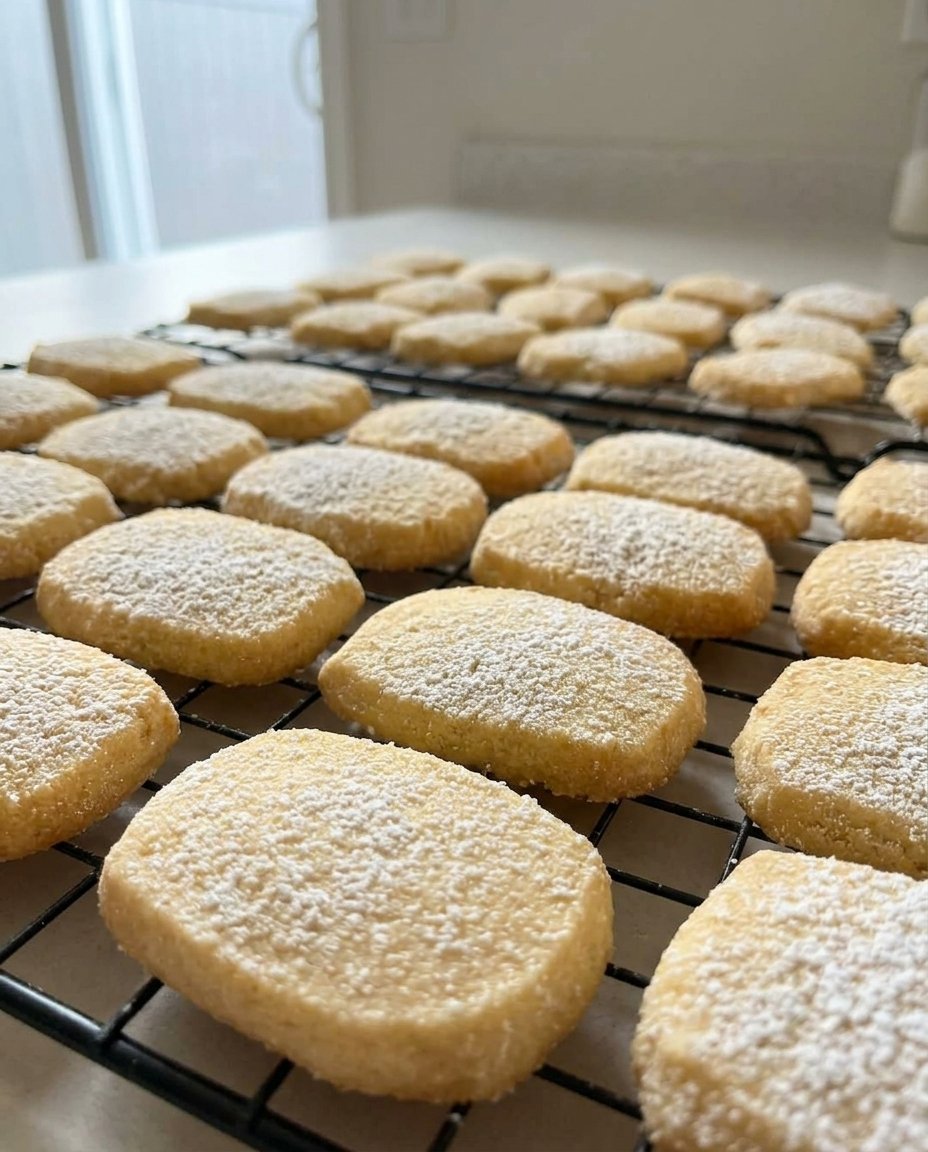
My mother always taught me that the secret to a memorable cookie isn’t just the fancy toppings you throw on at the end. It’s the sturdy, buttery foundation you build from the very first stir of the spoon. These Lavender Shortbread Cookies are the perfect example of how a traditional technique creates the ideal canvas for delicate floral notes.

When you bite into one of these, you’ll notice the tender crumb that only comes from properly handled butter and flour. This recipe isn’t about rushing; it’s about respecting the dough so that every bite feels like a cherished memory of a Sunday afternoon in a warm kitchen.
The Foundation of Classic Perfection
There is a reason why shortbread has stood the test of time in kitchens across the globe. It relies on a simple, honest ratio of ingredients that highlights the quality of your pantry staples. You will love these cookies because they aren’t overly sweet, allowing the buttery richness to take center stage alongside the soothing aroma of lavender.
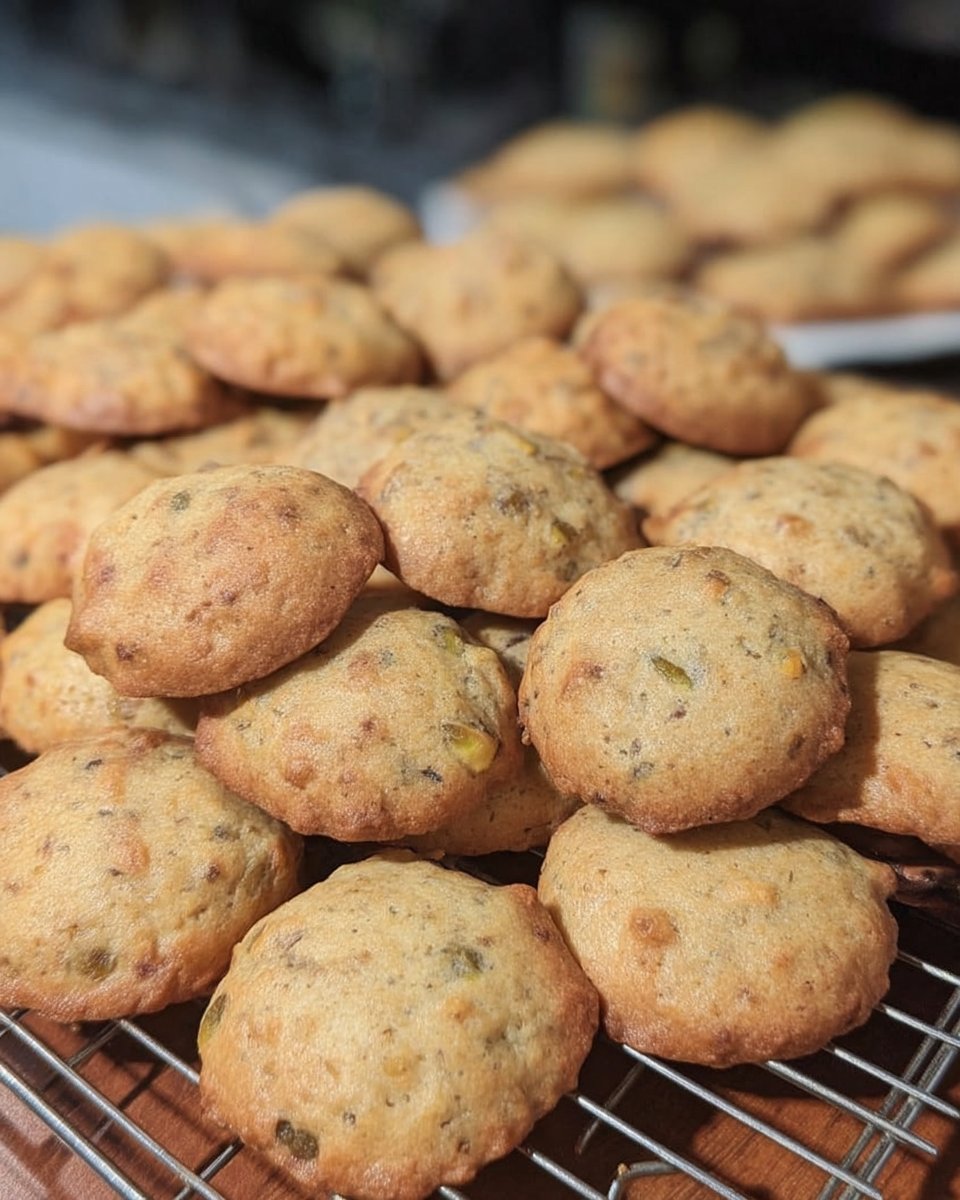
The texture of these cookies is what truly sets them apart from modern, sugar-heavy treats. Because we focus on a solid dough base, the result is a cookie that is both crisp and melt-in-your-mouth tender. They are sturdy enough to be packed into a gift box but delicate enough to be the star of a formal tea party. By following this method, you are learning a foundational skill that will serve you in every baking project you take on in the future. Once you understand how butter and flour work together in this specific ratio, you can create endless variations that satisfy any craving.
Print
Lavender Shortbread Cookies
- Total Time: 1 hour 40 mins
- Yield: 24 cookies
- Diet: Vegetarian
Description
Delight in the elegant simplicity of these buttery lavender shortbread cookies, featuring a tender crumb and a subtle floral aroma. This classic recipe uses a sturdy foundation to create a sophisticated treat perfect for tea time or gifting.
Ingredients
- 1 1/2 cups (340g) salted butter, room temperature
- 3/4 cup (150g) granulated sugar
- 2 tablespoons culinary lavender buds
- 1 teaspoon pure vanilla extract
- 4 cups (500g) all-purpose flour
Instructions
- Grind the culinary lavender into a fine powder using a mortar and pestle or a spice grinder.
- In a stand mixer with a paddle attachment, cream together the softened salted butter, sugar, and ground lavender until well combined.
- Stir in the vanilla extract until just incorporated.
- Gradually add the all-purpose flour on low speed until the mixture forms a cohesive dough that pulls away from the bowl.
- Roll the dough out on a lightly floured surface to a thickness of 1/2 inch (1.25 cm).
- Cut into desired shapes and place on a baking sheet, then refrigerate for at least 1 hour.
- Preheat oven to 350°F (175°C) and bake for 20-25 minutes until the edges are a very light golden brown.
- Cool completely on the baking sheet to allow the structure to set before serving.
Notes
To ensure the best texture, always weigh your flour with a kitchen scale to avoid a dry cookie. If your dough feels too warm during the cutting process, return it to the fridge for 10 minutes to maintain sharp edges and prevent spreading in the oven.
- Prep Time: 1 hour 15 mins
- Cook Time: 25 mins
- Category: Dessert
- Method: Baking
- Cuisine: British
Quality Ingredients for the Best Dough
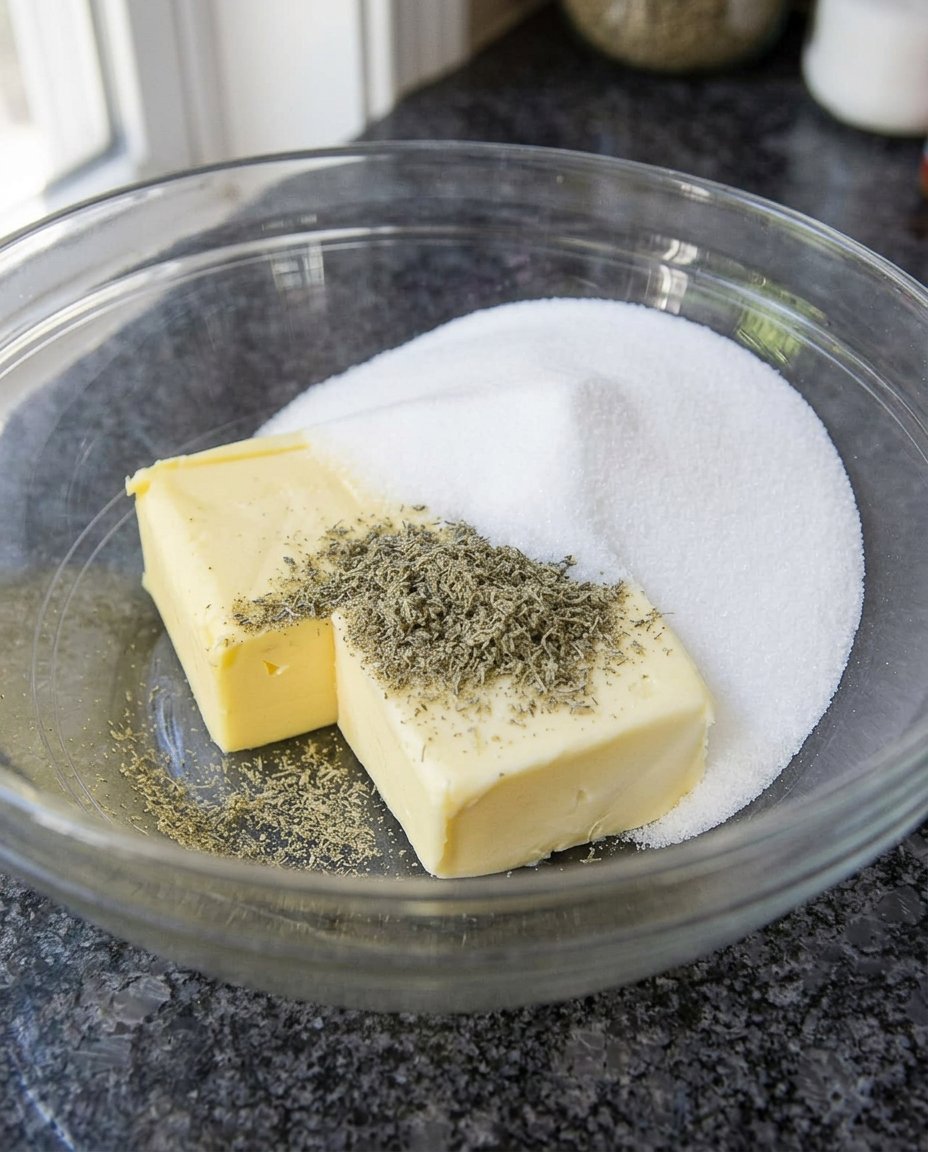
To make these cookies truly special, you must pay attention to the quality of what goes into the bowl. Since there are so few ingredients, each one plays a vital role in the final texture and flavor profile.
- Salted Butter: I always recommend using a high-quality brand because the butter is the primary flavor here. Make sure it is at room temperature—soft enough to indent with your thumb, but not greasy or melted. This helps create the proper emulsion with the sugar.
- Granulated Sugar: We use standard white sugar to give the cookie its signature crispness and structure without adding the moisture found in brown sugar.
- Culinary Lavender: This is the heart of the floral profile. It is important to use lavender specifically labeled for culinary use to avoid the soapy or chemical taste found in craft-grade varieties.
- Pure Vanilla Extract: Even with the lavender, a splash of real vanilla adds a layer of warmth and depth that ties the floral and buttery notes together.
- All-Purpose Flour: This provides the necessary protein to hold the cookie together while maintaining that classic shortbread crumb. Using a kitchen scale (500 grams or 17.5 ounces) is the best way to make sure your dough isn’t too dry.
We don’t use eggs in this recipe because we want to maintain the “short” texture that defines traditional shortbread. Eggs add moisture and leavening that would turn this into a standard butter cookie, losing that wonderful sandy melt that we are looking for.
The Classic Method
Step 1: Prepare the Lavender
Grind the lavender up very finely using a mortar and pestle until it is almost a powder. This makes sure that the floral flavor is distributed evenly throughout the dough without leaving any tough, woody bits in your teeth. If you don’t have a mortar and pestle, you can chop it very finely with a sharp knife or use a rolling pin to bash it inside a plastic bag.
Step 2: Cream the Butter Base
In a stand mixer fitted with the paddle attachment, mix together the room-temperature butter, sugar, and your freshly ground lavender powder. You want it combined and spread around the bowl, but be careful not to over-aerate it like you would for a sponge cake. We want a dense, rich texture, not a light and fluffy one.
Step 3: Incorporate the Aroma
Add the vanilla extract to the butter mixture and mix just until it disappears. This is the moment where your kitchen starts to smell like a peaceful garden. The vanilla helps the lavender bloom, creating a sophisticated scent that isn’t overwhelming.
Step 4: Form the Dough Ball
Add the flour to the bowl and mix on low speed. At first, the mixture will look like coarse sand, but keep going until a cohesive dough ball forms and pulls away from the sides of the bowl. This is the moment where the foundation of your cookie becomes solid.
Step 5: Roll and Shape
Roll the dough out on a baking mat or a lightly floured surface to about 1/2 inch (1.25 cm) thick. I prefer classic squares or simple circles for this recipe, but you can use any cutters you like. The thickness is important to ensure that the middle stays tender while the edges get that perfect snap.
Step 6: The Essential Chill
Place the cut cookies on a sheet tray and refrigerate for at least 1 hour. Chilling the dough is a non-negotiable step because it firms up the butter. This makes sure your cookies keep their sharp edges and don’t spread into puddles when they hit the heat of the oven.
Step 7: Bake to Golden Perfection
Preheat your oven to 350F (175C). Bake the cookies for 20-25 minutes. You aren’t looking for a deep brown color; instead, wait for the edges to turn a very light, delicate golden brown. Let them cool completely on the tray to allow the structure to set.
Teresa’s Dough Wisdom
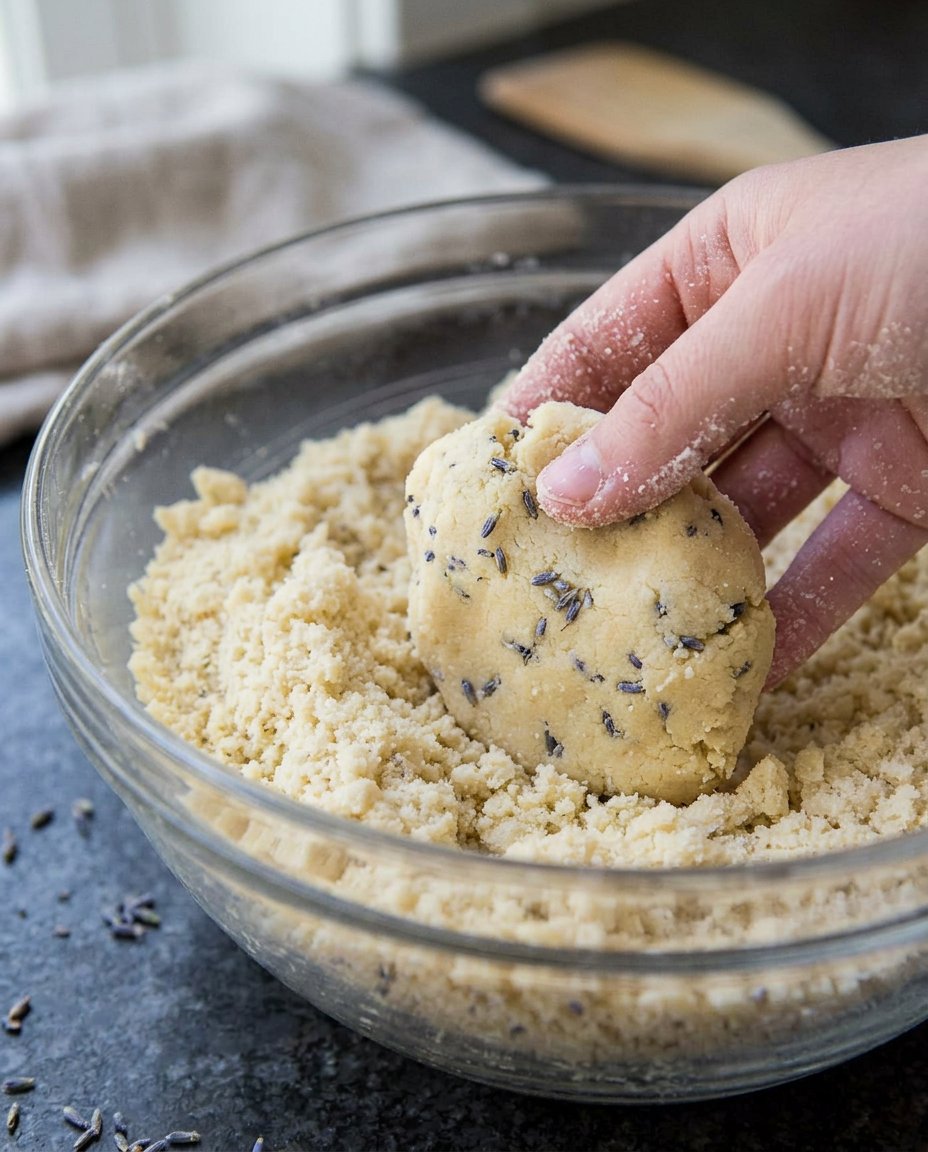
If you find your dough is too crumbly when you are trying to roll it out, your butter might have been a bit too cold. You can use the warmth of your hands to gently knead the dough for a minute to bring it together. For a truly authentic texture, I often look back at our scottish shortbread methods which emphasize minimal handling of the dough once the flour is added. Overworking the flour can lead to a tough cookie rather than a tender one. Also, be sure to use a kitchen scale for your flour; volume measurements can vary wildly and lead to a dry, floury cookie. For more inspiration on working with these delicate floral notes, you can check out this lavender shortbread guide which offers great advice on sourcing your herbs.
Build On This Base
Once you have mastered this foundational dough, the possibilities for customization are endless. You can make dipped shortbread by plunging half of the cooled cookie into melted dark chocolate, which pairs beautifully with the lavender. If you are short on time and don’t want to use cookie cutters, you can use the slice and bake cookies technique by rolling the dough into a log before chilling and then slicing off rounds. Another wonderful variation is to add the zest of one lemon to the butter and sugar mixture; the citrus brightness cuts through the richness of the butter and complements the lavender perfectly. You might even consider a pinch of dried rosemary for a more savory-sweet profile that is excellent for holiday platters.
Classic Enjoyment
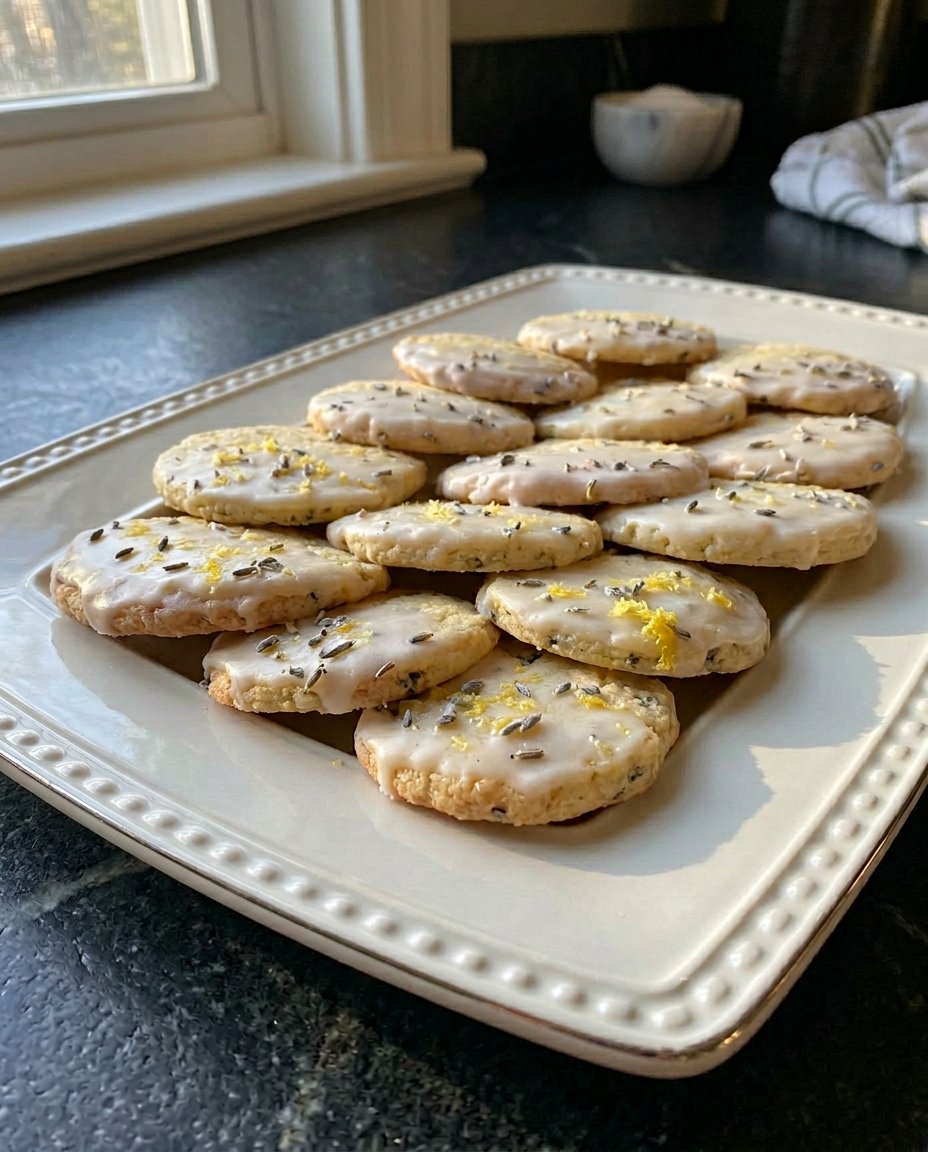
These cookies are a true treasure when served alongside a hot cup of Earl Grey tea or a cold glass of whole milk. For a truly special dessert spread that celebrates traditional baking, pair them with our heidesand recipe to show off different buttery textures to your guests. They make a wonderful gift when wrapped in simple parchment paper and tied with a bit of baker’s twine. Because they are so sturdy, they are the ideal cookie for a picnic or a garden party where you want something elegant that can withstand being handled.
The Sweet Foundation
I hope you find as much joy in the quiet process of making these cookies as you do in sharing them with your loved ones. Always remember that a good cookie starts with a good foundation and a little bit of patience in the kitchen. For more of my favorite classic bases that you can build upon, check out our scottish shortbread post. Happy baking, and may your kitchen always smell of butter and vanilla! Follow us for more cookie wisdom and classic techniques on Pinterest, Instagram, and Facebook.