A cookie is much more than just a sweet snack; it is a memory held together by the warmth of a kitchen and the smell of spice. Growing up, the scent of cinnamon swirling through the air always signaled a Sunday afternoon spent with family. I have always believed that the foundation of a great cookie lies in the technique, and with these snickerdoodles, that classic wisdom holds true even when we leave the gluten behind.

This recipe is designed for those who want that nostalgic, tangy, and pillowy texture without any of the wheat. By focusing on a specific blend of flours and a traditional method, we create a base that is strong enough to hold its shape but tender enough to melt in your mouth. Whether you are a seasoned baker or just starting your gluten-free journey, these cookies will remind you why the basics always matter most.
The Foundation of a Classic Favorite
You are going to fall in love with these cookies because they honor the traditional snickerdoodle spirit while being completely accessible for gluten-free households. Most people think that removing gluten means sacrificing that iconic chew, but this recipe proves that with the right flour foundation, you can achieve a texture that is even better than the original. The edges carry a delicate crunch from the cinnamon-sugar coating, while the centers remain wonderfully soft and slightly dense.
The secret lies in the balance of the tangy cream of tartar against the sweet, buttery dough. It creates a profile that is sophisticated yet comforting, making these perfect for a holiday tray or a simple afternoon tea. Because the dough is so stable, it is a fantastic reliable base for your own creative additions later on. You will appreciate how the centers stay moist for days, a rarity in the world of gluten-free baking that relies on our specific hydration technique.
Print
Gluten Free Snickerdoodles
- Total Time: 1 hour 5 mins
- Yield: 18 cookies
- Diet: Gluten-Free
Description
These gluten-free snickerdoodles feature a signature tangy puff and a wonderfully chewy center. By using a specialized blend of rice, almond, and oat flours, this recipe recreates the classic bakery texture with a beautiful cinnamon-sugar finish.
Ingredients
- 1 cup granulated sugar
- 1/2 cup unsalted butter (1 stick), melted and hot
- 3/4 cup sweet rice flour (such as Koda Farms Mochiko)
- 1/2 cup finely ground blanched almond flour
- 1/2 cup gluten-free oat flour
- 1/4 cup tapioca flour
- 1 1/2 teaspoons cream of tartar
- 1/2 teaspoon baking soda
- 1/4 teaspoon fine sea salt
- 1 teaspoon ground cinnamon
- 1 large egg
- 1 teaspoon vanilla extract
- 2 tablespoons granulated sugar (for rolling)
- 1 teaspoon ground cinnamon (for rolling)
Instructions
- Place the granulated sugar in a large glass bowl, melt the butter until hot, and pour it over the sugar; let rest for 10 minutes.
- In a separate bowl, sift together the sweet rice flour, almond flour, oat flour, tapioca flour, cinnamon, baking soda, cream of tartar, and fine sea salt.
- Whisk the egg and vanilla extract into the butter-sugar mixture until the emulsion is completely smooth and shiny.
- Stir the dry ingredients into the wet mixture with a sturdy spoon, then beat the batter for exactly 60 strokes to hydrate the starches.
- Cover the bowl and refrigerate the dough for at least 30 minutes to allow the flours to fully absorb the moisture.
- Preheat your oven to 350ºF and line baking sheets with parchment paper.
- Mix the extra sugar and cinnamon in a small bowl, scoop 2.5-tablespoon balls of dough, and roll them generously in the cinnamon-sugar.
- Place on sheets and bake for 8 to 10 minutes in the upper third of the oven; rap the pan against the counter immediately after removing to set the texture.
Notes
For the most consistent results, use a kitchen scale to measure your flours in grams. Ensure your egg is at room temperature before adding it to the butter mixture to prevent the fat from seizing, which helps maintain the cookie’s signature soft emulsion.
- Prep Time: 55 mins
- Cook Time: 10 mins
- Category: Dessert
- Method: Baking
- Cuisine: American
Quality Ingredients for a Perfect Base
To build a cookie that doesn’t crumble, we must be intentional about our flour choices. This recipe uses a custom blend to mimic the protein and starch structure of wheat flour without any of the grittiness often found in store-bought mixes.
- Sweet Rice Flour: This is the secret to the chew. I recommend Koda Farms Mochiko; it provides a sticky, bouncy quality that is essential for a soft cookie.
- Almond Flour: Use a finely ground blanched variety like Bob’s Red Mill. It adds healthy fats and moisture, ensuring the cookies don’t dry out.
- Oat Flour: This brings a rustic, toasted flavor and a soft crumb. If you are strictly celiac, make sure your oats are certified gluten-free.
- Tapioca Flour: This adds a bit of “stretch” and helps the cookies brown beautifully in the oven.
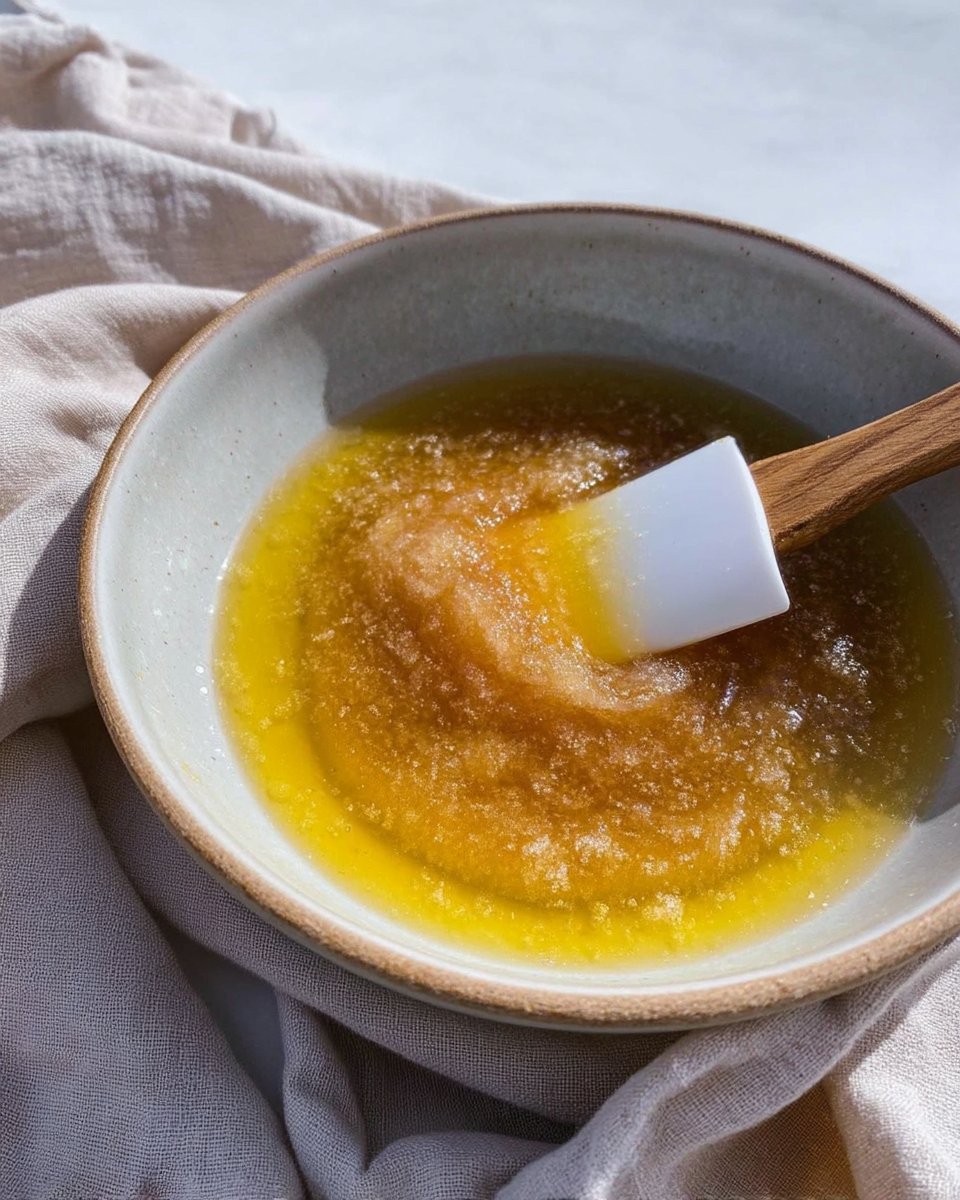
- Unsalted Butter: Quality matters here. Use a butter with a high fat content, and ensure it is hot when you pour it over the sugar to help it dissolve slightly.
- Cream of Tartar: This is the soul of a snickerdoodle. It provides that signature tang and works with the baking soda to give the cookies their characteristic puff and crackle.
The Classic Method
Step 1: Prep and Melt
Start by placing your granulated sugar in a large glass bowl. Melt your stick of butter until it is quite hot, then pour it directly over the sugar. Let this mixture rest for about 10 minutes; this allows the heat to begin breaking down the sugar crystals for a smoother dough foundation.
Step 2: Sift the Dry Ingredients
While the butter cools, take a separate bowl and sift together your sweet rice flour, almond flour, oat flour, and tapioca flour. Add in the cinnamon, baking soda, cream of tartar, and fine sea salt. Sifting is a vital step here to remove any clumps in the almond flour and to distribute the leavening agents evenly.
Step 3: Emulsify the Wet Ingredients
Once the butter and sugar have cooled slightly, whisk in your large egg and the vanilla extract. Whisk vigorously until the mixture looks smooth and shiny. You want a complete emulsion here so the fat doesn’t separate during the baking process.
Step 4: The 60-Stroke Secret
Stir the dry ingredients into the wet mixture using a sturdy spoon. Once the flour is mostly incorporated, beat the batter for exactly 60 strokes. This mechanical action helps the starches in the gluten-free flours begin to hydrate and bond, which results in a much chewier finished cookie.
Step 5: The Essential Chill
Cover your bowl and place it in the refrigerator for at least 30 minutes. This is non-negotiable. Chilling allows the flours to fully absorb the moisture from the egg and butter, preventing the cookies from spreading too thin and ensuring a thick, pillowy shape.
Step 6: Shape and Roll
Preheat your oven to 350ºF and line your sheets with parchment. Mix your extra sugar and cinnamon in a small bowl. Scoop the dough into balls—about 2.5 tablespoons each—and roll them generously in the cinnamon sugar. Place them on the sheets with plenty of space for air circulation.
Step 7: The Bake and Rap
Bake for 8 to 10 minutes in the upper third of the oven. The edges should look set, but the centers should still look slightly puffed and soft. For a truly dense and chewy texture, give the pan a firm rap against the counter the moment you pull it out of the oven to collapse those air pockets.
Dough Wisdom for Better Baking
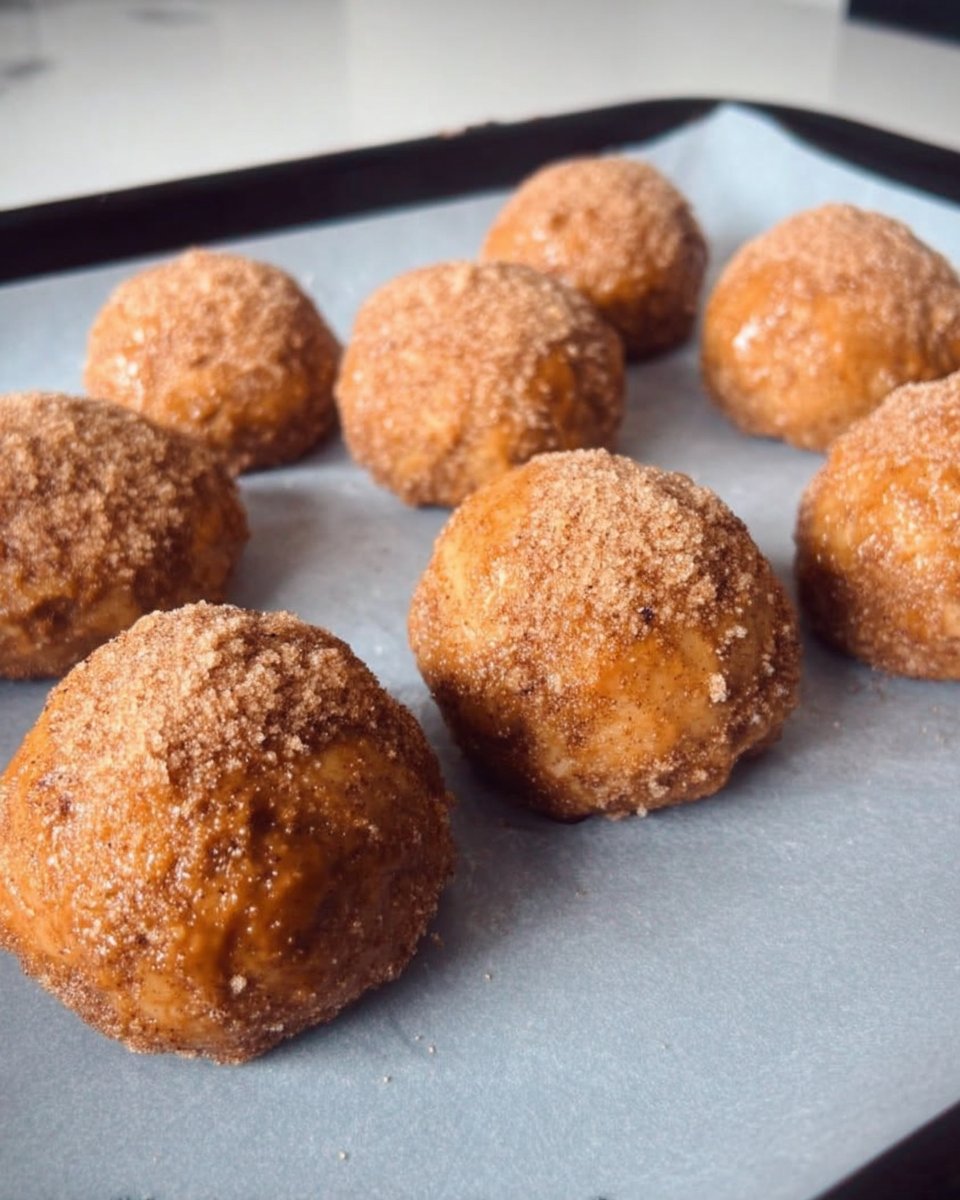
One of the most important lessons I have learned over the years is that your oven temperature is often not what the dial says. For a reliable bake, I always suggest using an external oven thermometer to verify you are truly at 350ºF. If your oven runs too hot, these delicate gluten-free flours may brown too quickly before the center sets.
Another foundational tip is the importance of measurement. While cups are convenient, using a kitchen scale for grams will provide the most consistent results every single time. For more insights on how to keep your kitchen running smoothly, check out our guide on clean cookie living. Finally, remember that these cookies continue to firm up as they cool on the pan. Don’t be tempted to leave them in the oven until they are hard, or you will lose that wonderful tender middle.
Build On This Base
Once you have mastered this classic dough, you can start to have a little fun with the flavors. A wonderful twist is to use brown butter instead of melted white butter; this adds a nutty depth that complements the cinnamon beautifully. You can also swap the traditional sugar coating for a mix of ginger and cardamom if you want a more global spice profile.
For those who love a citrus note, you might enjoy our orange snickerdoodles which bring a bright acidity to the buttery base. If you need to make these dairy-free, a high-quality vegan butter stick works remarkably well as a substitute. For another perspective on perfecting this specific flour blend, you can see how others approach gluten free snickerdoodles with almond flour to see just how versatile these ingredients can be.
Classic Enjoyment and Sharing
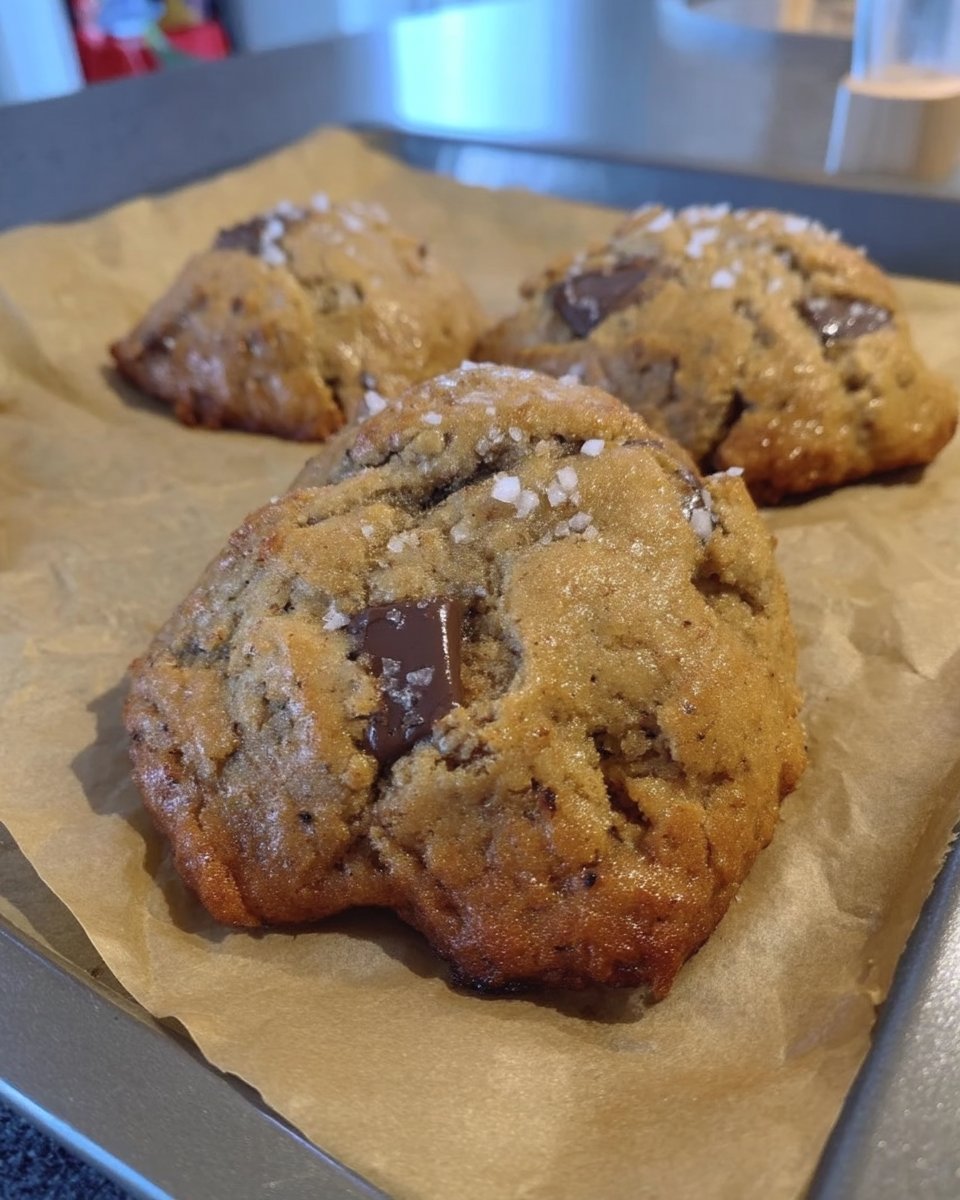
These cookies are at their absolute peak when served slightly warm, perhaps ten minutes after they have left the oven. The cinnamon sugar is still crisp, and the center is at its most tender. I love serving these with a cold glass of milk or a hot cup of coffee to balance the sweetness. They are also a wonderful addition to a dessert platter alongside our swig sugar cookies for a variety of textures.
If you are planning to gift these, they stack beautifully in a tin lined with parchment paper. Because of the almond flour, they stay moist much longer than standard cookies, making them a reliable choice for shipping to loved ones. They bring a bit of home and tradition to any gathering, proving that a solid foundation is the key to any successful celebration.
The Sweet Foundation
Baking these cookies is a way to honor the past while embracing the needs of today. When you start with a good dough and respect the technique, the results are always wonderful. I hope these snickerdoodles become a new tradition in your home, just as they have been in mine for generations. For more gluten-free inspiration, don’t forget to look at our main gluten-free snickerdoodles resource page. Happy baking, and remember that the best cookies are always made with a little bit of patience and a lot of love. Connect with us and share your bakes on Pinterest, Instagram, or Facebook.