There is something profoundly comforting about a recipe that relies on just three humble ingredients to create magic. In my kitchen, we believe that the foundation matters more than the flair, and nothing proves that quite like traditional shortbread. It is a testament to the power of quality butter and patience, turning a simple dough into a melt-in-your-mouth treasure that feels like a warm hug on a cold day.

This recipe takes the intimidation out of the classic method by utilizing a food processor to achieve that perfect “sandy” texture before pressing it into the pan. While it is wonderful on its own, this buttery slab is also the perfect sturdy base for any wild toppings you might dream up later. It is crisp, tender, and undeniably timeless.
Why This Recipe is a Keeper
This shortbread is the definition of “less is more.” You will love it because it requires absolutely no fancy equipment beyond a pan and a food processor, and it comes together in minutes. It celebrates the flavor of pure, sweet cream butter without hiding behind heavy spices or icings.
Furthermore, the texture is unparalleled—crumbly yet tender, with a snap that gives way to a soft melt on the tongue. It serves as a reliable canvas for your baking creativity, allowing you to master the technique before experimenting with additions.
Print
Scottish Shortbread
- Total Time: 45 mins
- Yield: 16 servings
- Diet: Vegetarian
Description
Discover the elegance of simplicity with this traditional Scottish shortbread, featuring a rich, buttery flavor and a delicate, sandy texture. This three-ingredient classic is the perfect accompaniment to your afternoon tea or a versatile base for your own creative dessert toppings.
Ingredients
- 2 cups all-purpose flour
- 1 cup unsalted European-style butter, softened
- 1/2 cup caster sugar (plus extra for sprinkling)
- 1/2 teaspoon salt
Instructions
- Preheat your oven to 350°F (175°C) and generously grease an 8×8 or 9×9 inch square baking pan with butter.
- Place the all-purpose flour, softened butter, caster sugar, and salt into a food processor and pulse repeatedly until the mixture combines and resembles coarse, sandy breadcrumbs that clump together when pressed.
- Pour the crumbly dough mixture into the prepared pan and use your hands to firmly press it into an even, compact layer.
- Using the tines of a fork, prick rows across the entire surface of the dough to help it bake evenly and prevent air bubbles.
- Bake on the middle rack for 30–35 minutes, or until the shortbread is firm to the touch and a very light golden color.
- Remove from the oven, immediately sprinkle with a light dusting of extra caster sugar, and let cool completely in the pan before cutting into rectangular fingers.
Notes
For the best results, use high-quality butter with a high fat content, as it is the primary flavor driver in this recipe. Ensure you cut the shortbread while it is still slightly warm to prevent the edges from crumbling, but wait until it is completely cool to lift the pieces out of the pan.
- Prep Time: 10 mins
- Cook Time: 35 mins
- Category: Dessert
- Method: Baking
- Cuisine: Scottish
The Dough Base
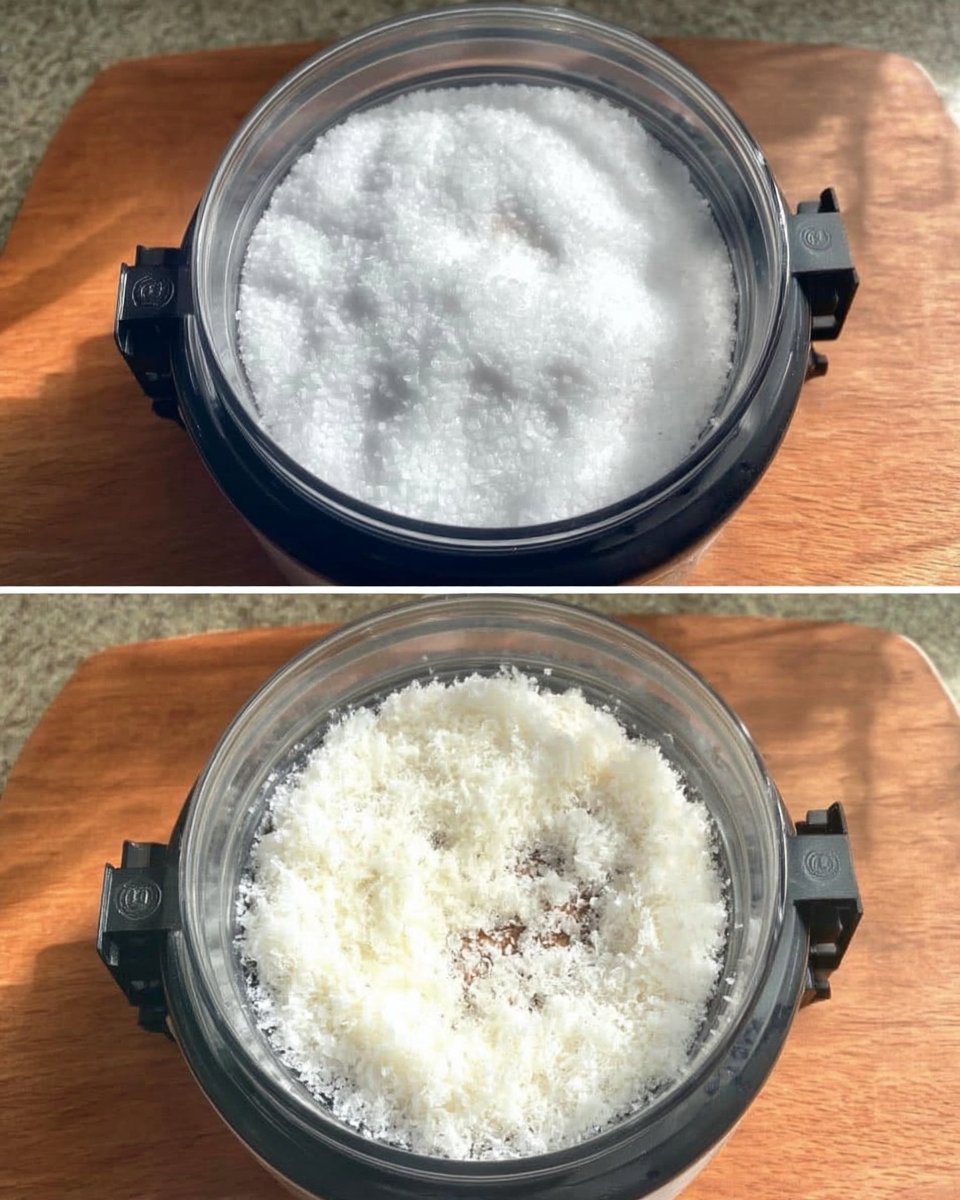
Because this recipe has so few components, the quality of each one is what makes or breaks the final result. Don’t skimp here; let the ingredients shine.
- Quality Unsalted Butter: This is the star of the show. Use the best European-style butter you can find, and ensure it is softened to room temperature for the proper emulsion. The better the butter, the better the shortbread.
- All-Purpose Flour: A standard all-purpose flour provides the right structure. It gives the cookie enough strength to hold its shape while remaining tender.
- Caster Sugar: Also known as “baker’s sugar” in the U.S., this fine sugar dissolves more easily into the butter than standard granulated sugar, preventing a gritty texture. Do NOT use powdered sugar, as it changes the density.
- Salt: Just a half teaspoon balances the richness of the butter and enhances the sweetness.
How to Make It
Step 1: Prep the Oven and Pan
Start by preheating your oven to 350°F (175°C). Generously butter an 8×8 or 9×9 inch square baking pan. If you prefer, you can use a round cake tin and cut the wedges into triangles later, but the square pan yields classic fingers.
Step 2: Blitz the Dough
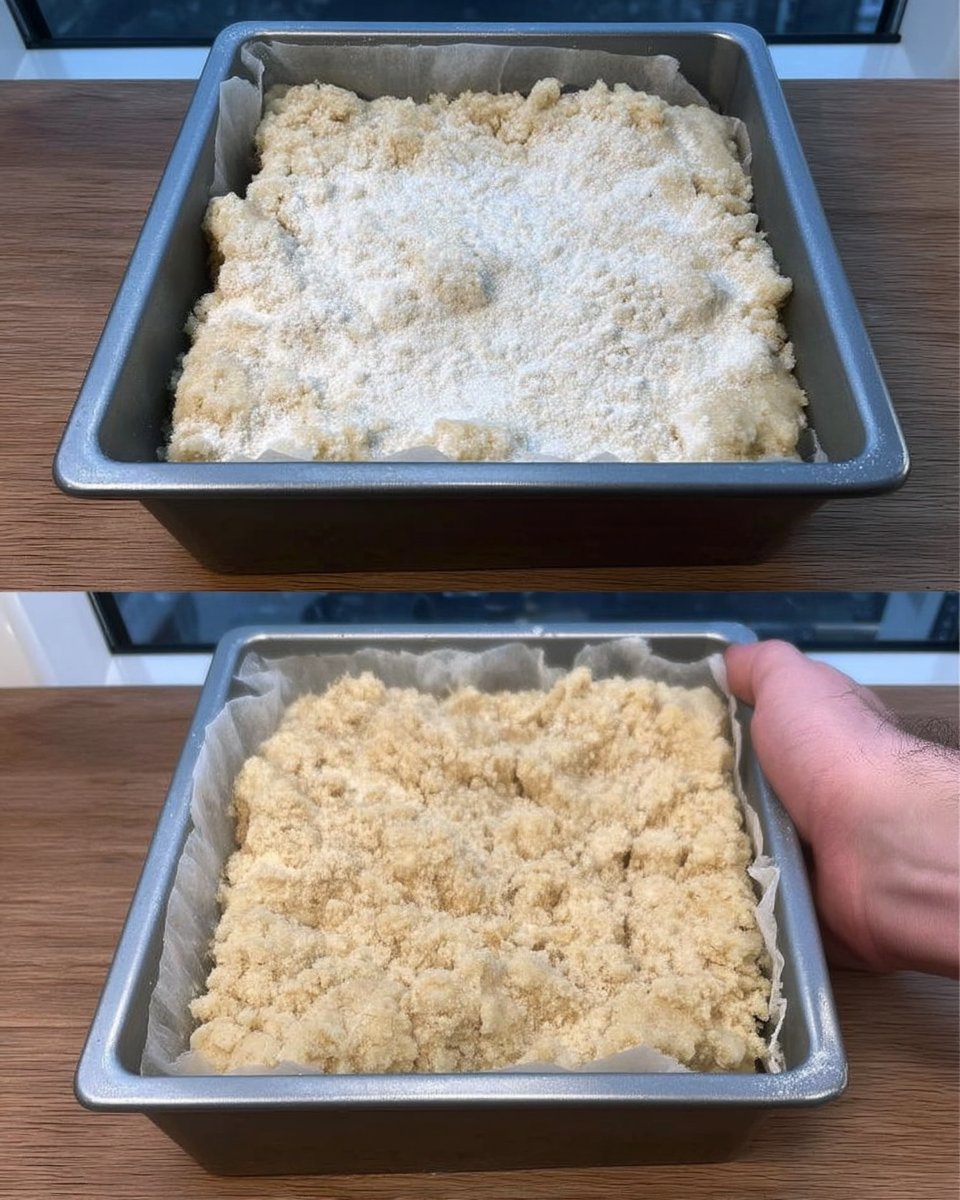
Place the all-purpose flour, softened butter, caster sugar, and salt into your food processor. Pulse the mixture repeatedly until it combines and resembles coarse breadcrumbs. It should look sandy but feel soft and pliable when you press a bit between your fingers. If it is still too dry and powdery, keep pulsing briefly until it clumps together.
Step 3: Press and Prick
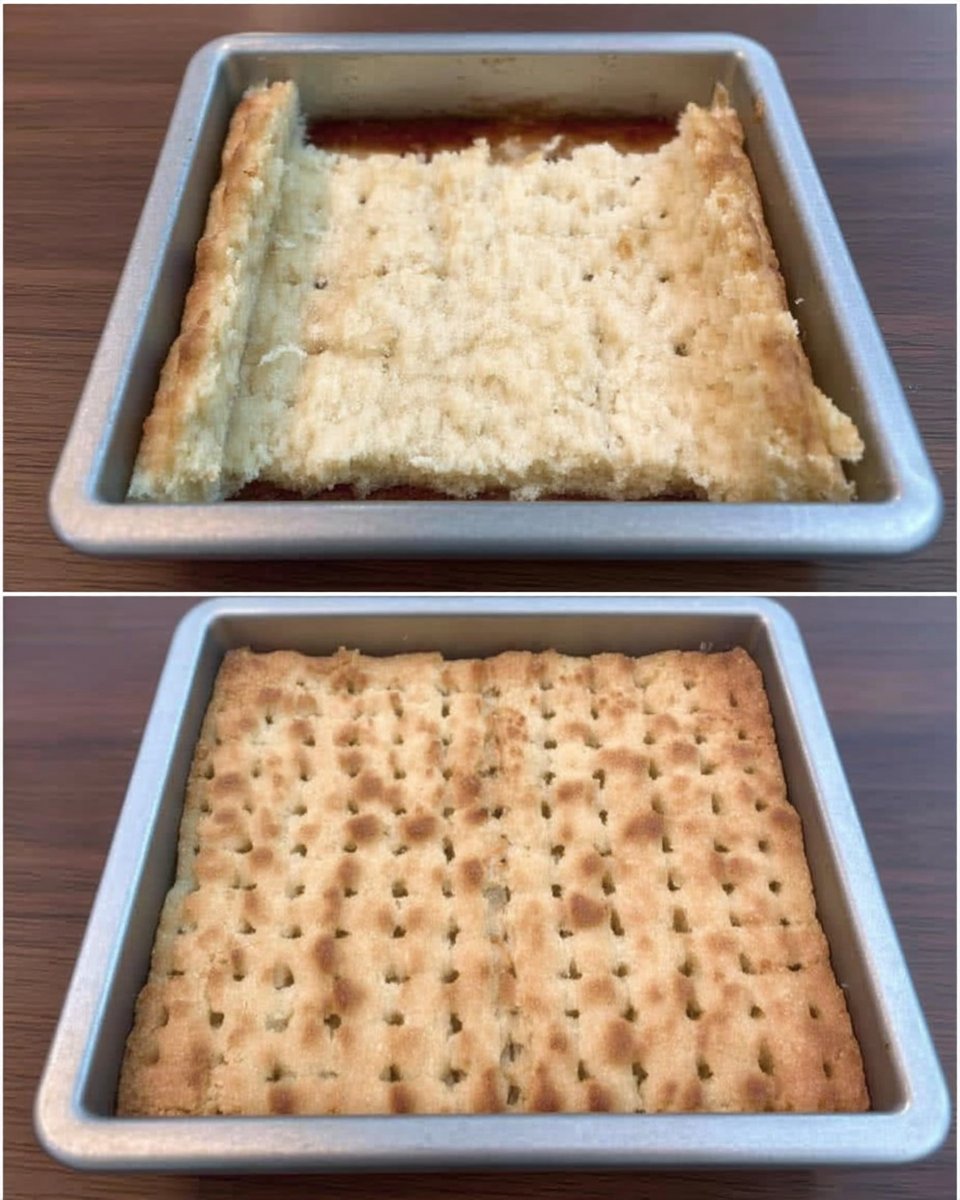
Pour the crumbly dough mixture directly into your prepared pan. Using your hands, firmly press the dough down to create an even, compact layer. Once smooth, use the tines of a fork to prick rows all over the surface (this is called docking). This prevents bubbles and helps the shortbread bake evenly.
Step 4: Bake to Golden Perfection
Place the pan on the middle rack of your oven and bake for 30–35 minutes. You are looking for a light golden color and a firm touch. Remove it from the oven and immediately sprinkle lightly with extra caster sugar. Let it cool in the pan before cutting into rectangular fingers.
Teresa’s Tips for Perfection
- Room Temperature Matters: Ensure your butter is truly soft but not melted. If it is too cold, the dough won’t bind; if it’s melted, the cookies will be greasy. Getting this right is the secret to that clean cookie living lifestyle where simple ingredients taste luxurious.
- Don’t Overwork It: When using the food processor, stop as soon as the dough clumps. Over-processing can develop the gluten in the flour, leading to a tough cookie rather than a tender one.
- Docking is Essential: Pricking the dough isn’t just for looks. It allows steam to escape from the thick layer of dough so it bakes flat and crisp rather than puffing up unevenly.
- Cutting Warm: For the cleanest edges, try slicing the shortbread while it is still warm in the pan, then let it cool completely before removing the slices.
Build On This Base
Once you have mastered this classic foundation, you can easily tweak it to suit your mood or the season. It is sturdy enough to handle small mix-ins without losing its integrity.
- Citrus Zest: Pulse the zest of one lemon or orange into the sugar before adding the rest of the ingredients for a bright, aromatic twist.
- Chocolate Dipped: After the fingers have cooled, dip one end into melted dark chocolate for a sophisticated look that fits perfectly with our showstopper cookie designs.
- Spiced: Add a pinch of cinnamon or cardamom with the flour for a warming winter version.
Classic Enjoyment
This shortbread is best served simply. A plate of these golden fingers is the ideal companion for a hot cup of tea or strong coffee in the afternoon. The buttery richness cuts through the tannins of tea perfectly.
For a holiday spread, pile them high in a tin or arrange them on a platter with candied ginger. They also make fantastic gifts because they travel well and stay fresh for weeks. If you need more ideas for giftable treats, check out our guide to festive cookie moments that bring joy to any gathering.
The Sweet Foundation
Mastering Scottish Shortbread is a rite of passage for any home baker. It teaches you that when you use excellent ingredients and respect the process, the results are always rewarding. Whether you enjoy them plain or use them as a base for something wilder, this recipe is one you will return to time and again.
For those interested in the deep history of this treat, I recommend reading more about Scottish Shortbread from our friends at Daring Gourmet. Don’t forget to explore our other ultimate cookie favorites to keep your cookie jar full.
Share your bakes with us on social media! We love seeing your creations on Pinterest, Facebook, and Instagram.